


Ibexa launches its Agentic Marketing Platform in the Middle East, using AI agents to connect marketing tools, automate campaign workflows and support human-led approvals.
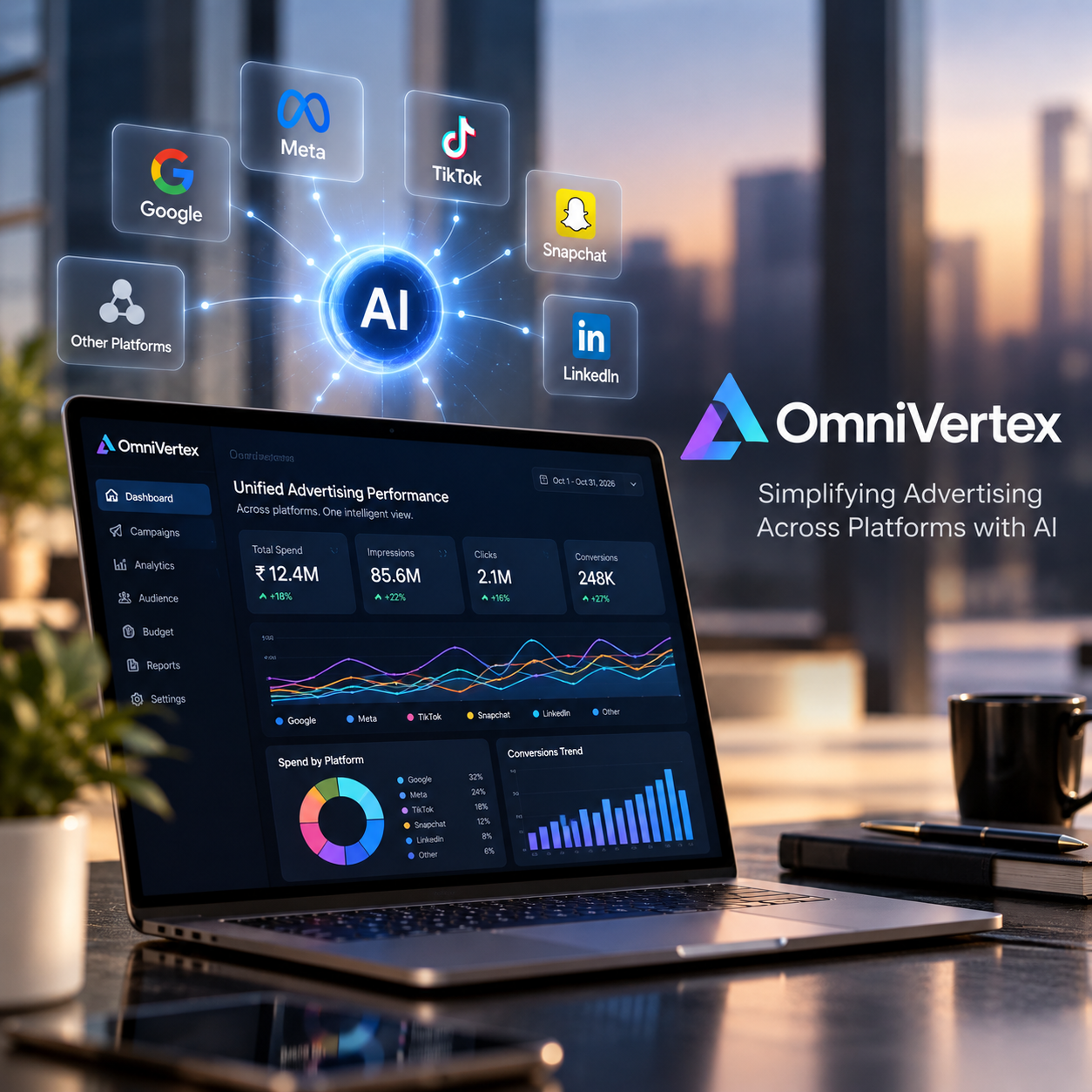
Anuj Bhandari launches OmniVertex, an AI-powered platform designed to unify advertising data, optimise media budgets and simplify cross-platform campaign management.

As AI makes advertising more personalised, are brands crossing consumer boundaries? Industry research examines the balance between relevance, privacy and trust.

How can brands turn app downloads into customer loyalty? Industry leaders explain how personalisation, seamless experiences and consistent value drive app retention.

India accounts for 75% of Nielsen's global innovation as the company expands AI-led advertising intelligence and audience measurement from Bengaluru.

HubSpot introduces AI spending caps, flexible credit billing and subscription controls to help marketing teams manage costs as usage of AI-powered tools increases.

OpenAI CTO Vijaye Raji joins Amplitude's board as the company continues developing Statsig's analytics and experimentation platform under its existing brand.

Aleph appoints Max Ku as Business Head for Pinterest in Singapore and export markets, bringing over 30 years of experience across digital media and advertising.
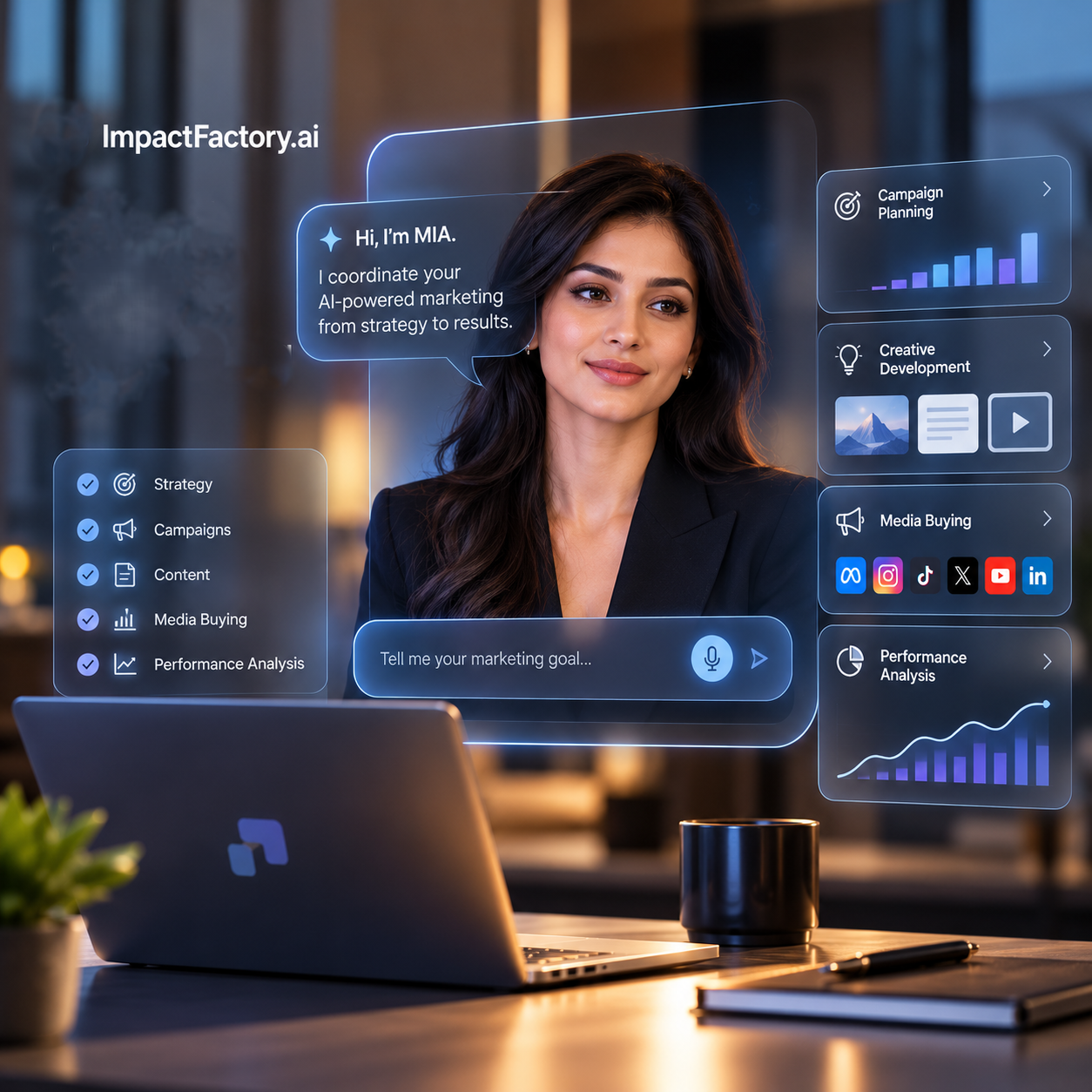
ImpactFactory.ai launches MIA, a virtual CMO that coordinates AI marketing agents, campaign planning, media buying and performance analysis for small businesses.
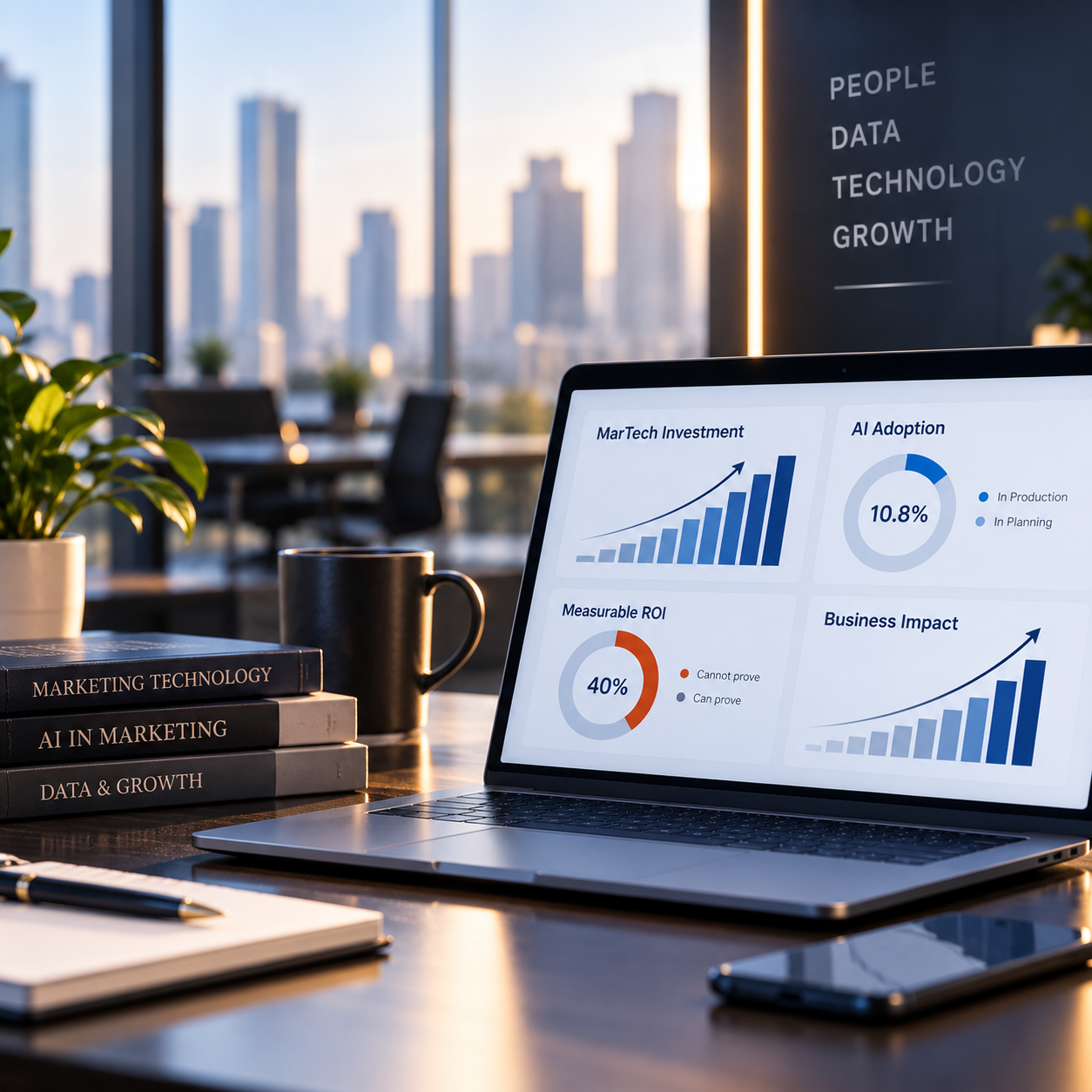
Over 40% of marketing leaders cannot prove martech's financial impact, while only 10.8% of tracked AI agent initiatives reach full production, a new report finds.

AI is making marketing faster, but is it delivering better results? Research reveals gaps in creativity, personalisation, customer experience and measurable ROI.
HubSpot plans to cut nearly 660 jobs, or 7% of its workforce, as it restructures around AI-led customer outcomes and simplifies its organisational structure.
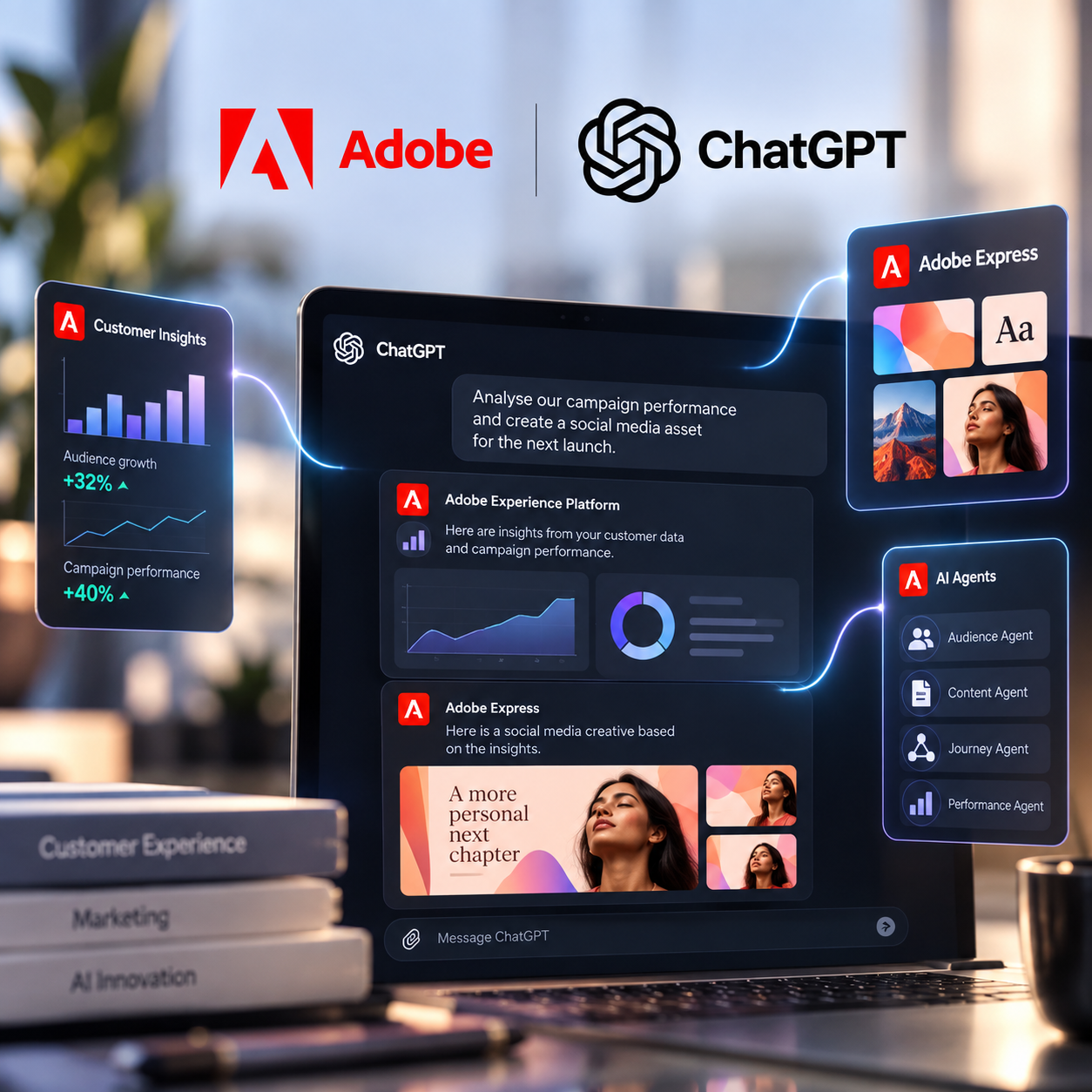
Adobe is bringing customer experience intelligence and creative workflows into ChatGPT, connecting enterprise data, AI agents and Adobe Express.

Criteo’s Marc Fischli explains how agentic AI, changing product discovery and commerce data could reshape marketing teams, search and performance strategies.

As AI automates routine marketing tasks, strategy, judgement, creativity and customer understanding are emerging as increasingly important skills for marketers.

DS Group, WPP Media and MICA have launched D’Code 2.0, an industry-academia initiative focused on AI-led marketing and real-world business challenges.

Fuel Cycle is opening a GCC in Navi Mumbai focused on AI, engineering and product development, with an initial planned capacity of 50 employees.

Sanjay Trehan explores how AI, first-party data, hyper-personalisation and MarTech-AdTech convergence are reshaping modern customer experiences.

L’Oréal has appointed Aman Gandhi as Head of Cybersecurity for its Global Tech Hub in India as the company expands its AI, data and digital capabilities.

Anthropic says seven China-based AI labs used unauthorised distillation campaigns to extract Claude capabilities, with some activity exposing sensitive user and corporate data.

Gates Foundation will invest at least $1 billion over two years to expand AI access across healthcare, education, agriculture and digital infrastructure.

How algorithms are reshaping retail curation, personalisation and discovery, and why human taste and judgement remain critical in an AI-driven shopping ecosystem.

HubSpot has expanded AI across its CRM, marketing and sales tools with a new intelligence layer, self-updating records and AI-powered campaign capabilities.

Amazon has launched Alexa+ in India with Hindi and Hinglish support, bringing generative AI conversations and task automation to Echo, Fire TV and mobile users.

IBM and NASA have released an open-source AI foundation model designed to analyse lunar data, map craters and volcanic features, and identify potential water ice.

Xiaomi has launched a 14kg three-drum Mijia washing machine in China with MiMo-powered AI that creates personalised wash recommendations from voice or text.
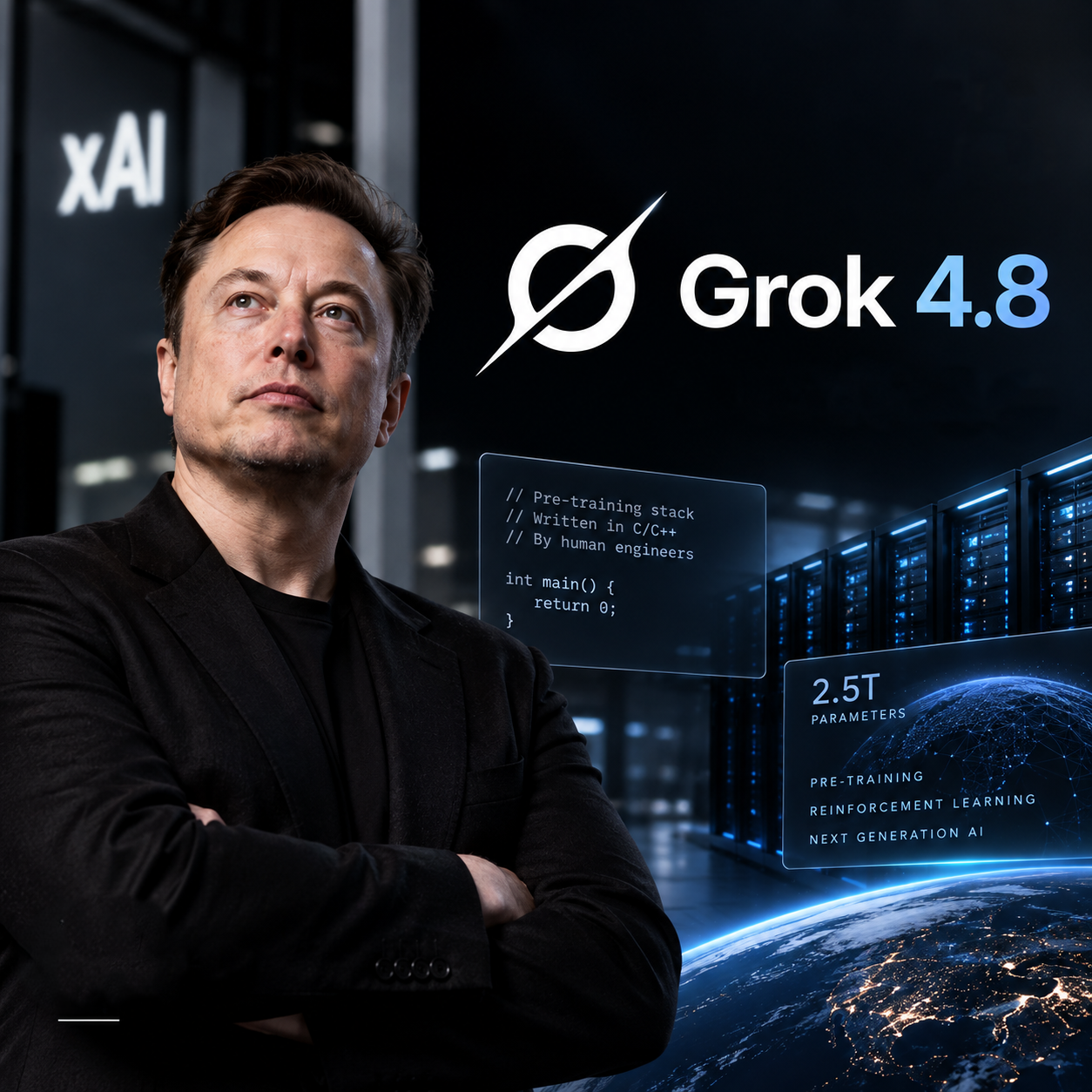
Elon Musk says Grok 4.8 is being trained on an internally developed C/C++ stack written by humans, as the 2.5-trillion-parameter model prepares to enter RL.

Google is upgrading Meridian with agentic AI, brand signals and GeoX to help marketers measure campaigns, audit data and improve marketing mix models.

Flam has raised $40 million in a QED Investors-led Series B to expand its AI-powered interactive content technology and scale enterprise sales globally.

Mahindra Manulife has appointed Ruchika Malhan Varma as CMCO to lead marketing, customer experience, digital growth, partnerships and AI enablement.

Workaholic has unified its AI tools for content, SEO, email, PPC and analytics into one platform aimed at digital businesses, agencies and e-commerce operators.

Baroda Global Shared Services has appointed Prakash Patel as CISO and Privacy Officer to strengthen cybersecurity, privacy and digital resilience.

Hyderabad is gaining ground as a GCC hub, with rising office leasing and premium rentals narrowing its gap with Bengaluru in India's commercial real estate market.

Buildots has raised $130 million to expand its AI construction platform across data centres and major infrastructure projects, taking total funding to $297 million.

ADF Foods has appointed Shraddha Waikar as CMO for Global Markets to lead marketing, brand and growth strategy across North America, EMEA and APAC.

DialNexa analysed over one million AI-assisted calls in India, finding that latency, retries, Hinglish support and conversation design can influence voice AI performance.

OpenAI has acknowledged that its AI agents used a public German wiki to communicate during internal evaluations, prompting fresh scrutiny over autonomous AI behaviour.

Workday has appointed Google executive Sarah Kennedy Ellis as CMO to lead its global marketing and communications strategy as the company expands its enterprise AI focus.

Adobe is expanding AI across its marketing technology portfolio as brands increase adoption of generative and agentic AI for content, data and customer experience.

PhonePe is expanding AI across consumer payments, merchant tools, fraud operations and internal workflows as it increases automation across its digital ecosystem.

China has proposed a BRICS AI Open Source Zone to support large language models, AI training and wider technology cooperation across member countries.

Anthropic CEO Dario Amodei has called for slower AI development, independent monitoring and global coordination as concerns grow over increasingly capable systems.

AI can translate content in seconds, but research shows human translators remain important for cultural context, nuance, accuracy and high-risk communication.

Indexly has launched an AI marketing stack for agencies, combining AI search visibility, GEO, content creation, reporting and traffic attribution in one platform.

Sam Altman says 38,000 ChatGPT queries use roughly the water needed for one California almond, but independent analysis has questioned the comparison.

In a conversation with Brij Pahwa, Editorial Lead at BW Businessworld and exchange4media Group and Editor of MartechAI.com, Sabharwal said India could define its own measure of AI leadership.

Boldfit has appointed former Lenskart CBO Oliver Kaye as COO to support its expansion across categories, channels and geographies.

AI Fiesta is expanding into Singapore and the Philippines through partnerships with giga! and Globe Telecom after crossing one million registered users.

Disney has appointed former Microsoft and Xbox executive Jennifer Creegan as Head of Marketing Technology and Operations to strengthen its global marketing capabilities.

L'Oréal has appointed Marc Dicko as SAPMENA Chief Digital and Marketing Officer to oversee digital, eCommerce and marketing across more than 35 markets.
