


AI-generated videos are getting harder to spot. Here are five practical ways to verify suspicious videos, from reverse search and watermarks to AI detectors.

Flam has raised $40 million in a QED Investors-led Series B to expand its AI-powered interactive content technology and scale enterprise sales globally.
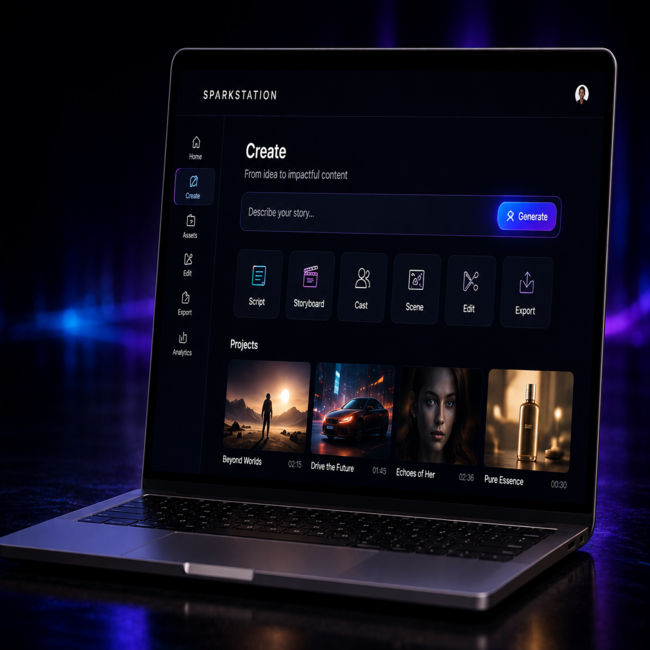
VerSe Innovation has launched SparkStation, a global AI content platform combining multiple AI models to help studios, brands, agencies and creators produce content.

Instagram will limit the recommendation reach of AI-generated profiles that fail to disclose their synthetic identity as it introduces a clearer profile label.

Mureka has launched V9.5, an AI music model designed to generate more natural vocals, coherent arrangements and songs that better follow creator prompts.

Sandhya Devanathan’s move from Meta to OpenAI follows weeks of regulatory scrutiny in India, raising questions about the timing and her new mandate excluding India.

Donald Trump shared an AI-generated video depicting an attack on Iran’s Kharg Island, although no actual US strike on the key oil hub had been confirmed.

Boomerang Partners is using AI across affiliate marketing for predictive traffic analysis, fraud detection, content workflows and generative search visibility.

As AI accelerates marketing content production, automated review systems are emerging to check brand, factual and compliance risks, but human oversight remains critical.

Adobe’s 2026 Creators’ Toolkit Report finds 96% of Indian creators using creative AI say it has accelerated their business or audience growth.
Higgsfield raises $400 million at a $5.4 billion valuation as the AI video startup expands enterprise tools for marketing and creative workflows.
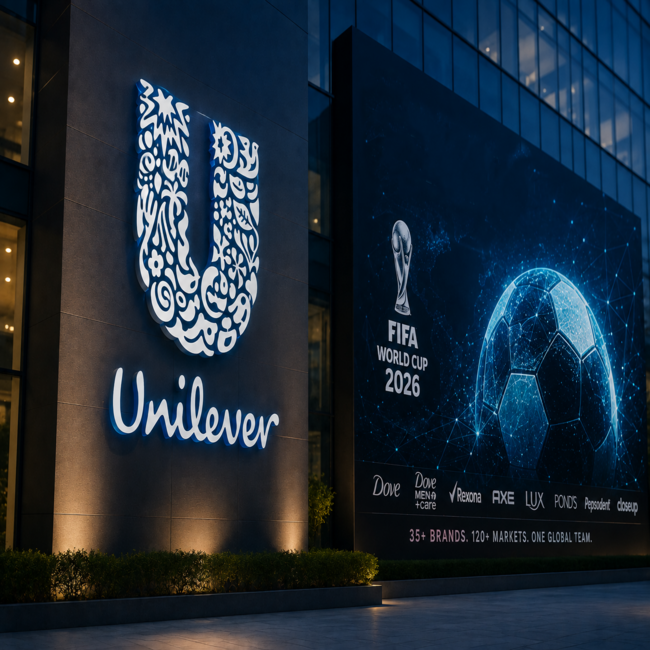
Unilever used AI forecasting, content technology and digital infrastructure to coordinate its FIFA World Cup 2026 activation across more than 120 markets.

Alibaba launches HappyShrimp in beta, expanding its generative AI portfolio into music creation with tools for generating songs, lyrics and audio content.

Google is making visible watermarks optional for AI-generated images, videos and music while retaining SynthID and C2PA provenance signals.

Jasper has promoted Tom Newton to CMO and appointed Lauren Newman as CFO as the AI marketing company expands its enterprise and AI agent strategy.

L'Oréal is expanding AI across content creation, media investment and beauty discovery as it adapts its marketing strategy to changing consumer behaviour.

Rezolve AI has launched Rezolve Provenance to mark, sign and verify AI-generated and AI-modified text, images, voice and video.

AI is reshaping digital marketing across search, content, personalisation and measurement, pushing brands to rethink data, workflows and human oversight.

Apple is reportedly exploring multiyear licensing deals with news publishers to bring current information to its upcoming AI-powered Siri.

Anthropic is adding invisible watermarks to Claude-generated text and provenance metadata to files as EU AI transparency requirements take effect.

Spotify will introduce AI Persona badges from mid-September and exclude labelled AI-generated artist identities from editorial and algorithmic recommendations by default.

Zoom is using creator partnerships to build authority and test whether third-party content can strengthen its visibility across AI-generated search results.

Warner Bros. has used an AI-generated dog podcast to promote “The End of Oak Street”, bringing generative AI into its marketing campaign ahead of the film’s release.

Adobe has launched a unified ChatGPT plugin bringing over 70 tools from Photoshop, Acrobat, Premiere, Firefly and other apps into conversational workflows.

India has introduced stricter AI content rules, mandating labels for synthetic media and reducing the takedown timeline for flagged content to three hours.

India's MarTech stacks are evolving, but gaps in AI readiness, customer data, measurement and integration continue to limit marketing performance and personalization.

Snapchat will no longer recommend or reward fully AI-generated Spotlight videos, prioritising authentic, human-created content over AI-generated media.

YouTuber Hank Green says his reliance on AI became unhealthy, apologising to fans and pledging to reduce AI use in future content creation.

ByteDance has launched Seedance 2.5, an AI video model supporting 50 multimodal inputs, 30-second video generation and advanced editing capabilities.
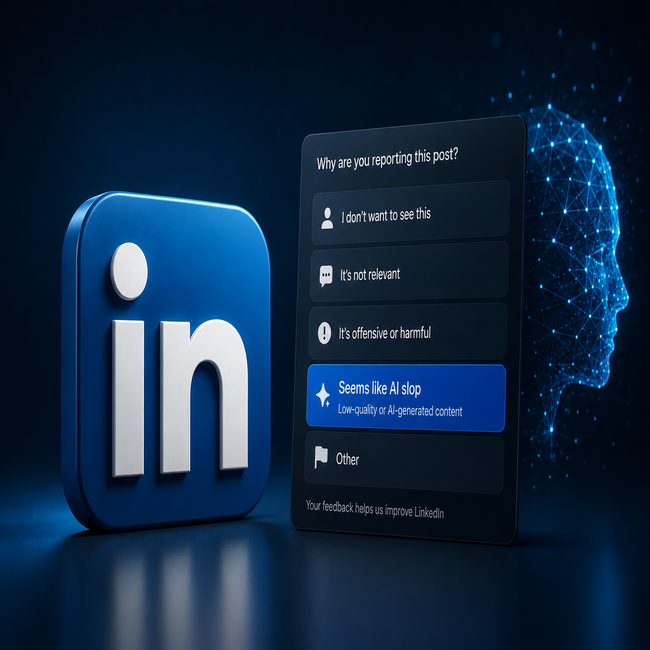
LinkedIn has introduced a new "Seems like AI slop" reporting feature to help users flag low-quality AI-generated posts and promote authentic conversations.

Maruti Suzuki has issued an RFP inviting AI-focused creative agencies as it looks to integrate generative AI into brand campaigns and marketing workflows.

How educational content marketing is helping reshape perceptions of medical cannabis by building trust, improving awareness and enabling informed healthcare decisions in India.

Mond has launched AMONDLAB, an AI-powered marketing automation platform that streamlines campaign planning, content creation, scheduling and publishing from a single interface.

Netflix says generative AI was used in around 300 titles this year, with the company maintaining that AI supports creators rather than replacing them.

How AI is transforming the CMS into the foundation for AI search, agentic experiences and structured brand content across digital channels.

Digital Marketing has launched an AI platform that automates SEO content creation and link building to help businesses improve search visibility and marketing efficiency.

Google Vids now lets users create AI avatars and generate or edit videos using Gemini Omni, expanding AI-powered video creation for Workspace and AI subscribers.

AI search is reshaping digital discovery. Learn how businesses can improve visibility in ChatGPT, Gemini, Copilot and Perplexity beyond traditional SEO.

AI video platform PixVerse has raised $439 million in a Series A extension to expand global operations and strengthen its generative AI video technology.

JioStar is expanding AI on JioHotstar with conversational search, personalised content discovery and in app shopping to enhance viewer engagement.

AI is reshaping website traffic as search shifts to direct answers and AI recommendations, forcing marketers to rethink SEO, content strategy and digital visibility.

Google Photos has introduced Video Remix, an AI-powered editing tool that transforms videos with cinematic effects, artistic styles and background replacement.

Meta has launched Muse Image, its first in-house AI image generation model, bringing advanced image creation and editing capabilities across Meta AI, Instagram and WhatsApp.

Reddit is deploying AI powered moderation tools to identify and reduce AI generated marketing spam while protecting authentic user conversations.

The Centre has summoned Meta over reports of alleged CSAM advertisements on Instagram, seeking an explanation and directing the company to remove the content immediately.

Jodie Foster says AI will influence Hollywood but believes human creativity and authentic storytelling must remain at the heart of filmmaking.

AI visibility is emerging as a key marketing metric as brands compete for mentions in ChatGPT, Gemini and Claude, reshaping digital discovery beyond traditional SEO.

LinkedIn has launched new AI powered promotional tools to help businesses create campaigns, generate content and optimise advertising performance.

Google has launched Nano Banana 2 Lite and Gemini Omni Flash, introducing faster AI image generation and multimodal video creation tools for creators and enterprises.

Superhuman is bringing GPTZero’s AI detection technology into its platform to improve content transparency and workplace trust.
