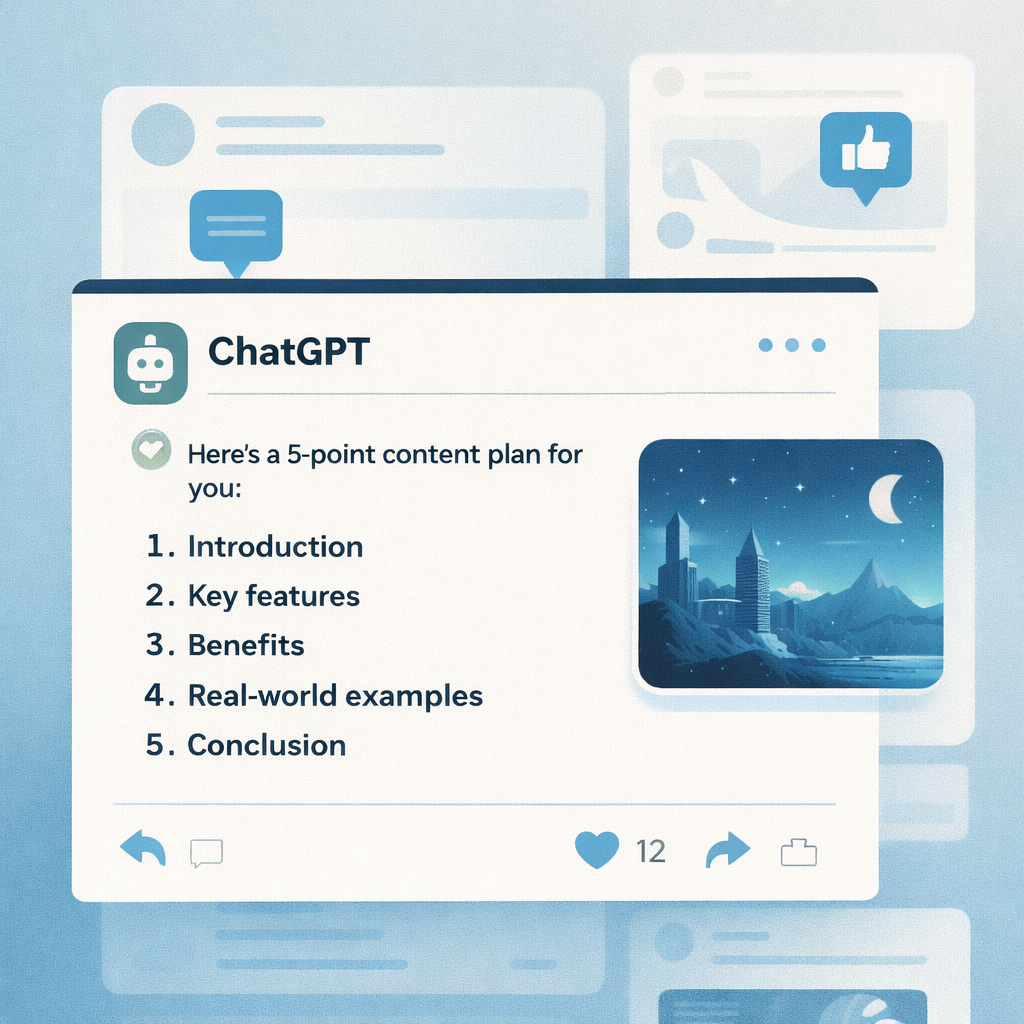
As generative AI tools such as ChatGPT, Midjourney and Adobe Firefly become part of everyday work, a new kind of influencer is emerging across social platforms. Known as “promptfluencers,” these creators build audiences by sharing carefully crafted prompts that help others get better results from AI systems. From LinkedIn posts explaining how to structure a ChatGPT query to Instagram reels showing how a Midjourney prompt transforms an image, promptfluencers are turning instructions into influence.
This trend has gained momentum as AI adoption accelerates globally and in India. Millions of users now interact with generative AI tools regularly for work, learning and creativity. As usage grows, so does the need for guidance. Most users quickly realise that the quality of AI output depends heavily on how a question or instruction is framed. Promptfluencers position themselves at this intersection of curiosity and capability.
Unlike traditional influencers who focus on lifestyle or product endorsements, promptfluencers focus on process. They share the “how” behind AI outputs. Their content often includes screenshots of prompts, before-and-after comparisons, and step-by-step breakdowns of what worked and what did not. This makes their content practical, replicable and highly shareable.
In India, promptfluencers are emerging across multiple professional communities. Marketing consultants post prompt frameworks for campaign ideation. Designers share prompt strings for visual styles. Founders publish ChatGPT workflows for market research or pitch decks. Educators create reels explaining how to prompt AI for exam preparation or skill development. In many cases, these posts attract higher engagement than polished thought leadership pieces because they offer immediate utility.
The rise of promptfluencers is closely tied to the rapid expansion of generative AI usage. ChatGPT reached unprecedented global adoption within months of launch, and India quickly became one of its largest user bases. A significant share of Indian users are under 25, making AI tools part of early career development. Online learning platforms have also seen a sharp increase in enrolments for AI and prompt-related courses, indicating strong demand for structured guidance.
Marketers are paying attention. Prompt literacy is becoming an operational skill rather than a novelty. Deepak Oram, Head of MarTech at HDFC Bank, has spoken publicly about how generative AI is reshaping marketing workflows. He has noted that AI enables teams to test multiple creative and messaging variations quickly, but success depends on how well teams instruct the system. According to him, the advantage lies not in access to tools, but in knowing how to use them effectively.
Creative leaders echo this view. Mithun Mukherjee, Executive Creative Director at FCB Kinnect, has described prompting as a new creative discipline. He has said that mastering prompts allows teams to unlock better outcomes from AI systems, but also requires experimentation and clarity of intent. In his view, prompt writing is becoming a foundational skill alongside copywriting and design thinking.
This perspective is shaping how agencies and brands work with AI. Rather than treating AI as a black box, teams are investing time in refining prompts that reflect brand tone, audience context and creative goals. Promptfluencers accelerate this learning curve by sharing tested examples publicly. Their posts often become reference points inside teams, circulating via internal chats and presentations.
Beyond content sharing, promptfluencers are also finding ways to monetise their expertise. Some sell prompt libraries tailored to specific use cases such as social media marketing, SEO, resume writing or visual design. Others run workshops or online courses focused on prompt engineering. A few offer consulting services, helping brands build internal prompt playbooks or AI-assisted workflows.
This monetisation reflects a broader shift in the creator economy. Knowledge products are replacing purely aspirational content. Promptfluencers do not sell personality. They sell efficiency. Their value lies in reducing trial and error for others. As AI tools become more powerful, the ability to guide them becomes more valuable.
Brands are cautiously exploring collaborations with promptfluencers. Rather than traditional endorsements, these partnerships often take the form of workshops, demos or co-created content. Marketing teams observe how promptfluencers use tools and apply those insights internally. Some brands also invite promptfluencers to train teams or speak at internal events.
Gopa Menon, Head of Digital at Mindshare South Asia, has described prompts as a reflection of how digital engagement is evolving. He has noted that prompts increasingly function as interactive cues that shape user experiences. From a marketing perspective, this means understanding prompts is essential for designing AI-driven touchpoints that feel relevant rather than generic.
Global voices in the AI ecosystem reinforce this trend. Tech leaders have highlighted prompt engineering as an emerging professional skill. While job titles may evolve, the underlying need remains clear. Organisations require people who can translate human intent into machine-readable instructions. Promptfluencers operate at this boundary, often without formal titles but with significant influence.
However, the rise of promptfluencers also raises questions about sustainability and originality. As more creators share similar prompts, differentiation becomes harder. There is a risk that content begins to look and sound the same. Some creators worry that over-standardisation could limit creativity rather than expand it.
Marketing leaders stress that prompts are tools, not substitutes for thinking. Sagar Jadhav, Executive Creative Director at Ogilvy Mumbai, has spoken about his AI-driven creative process. He has explained that AI outputs often require multiple iterations and human refinement before they align with the intended idea. For him, AI accelerates exploration, but creative judgment remains human-led.
This balance is central to how promptfluencers will evolve. Their credibility depends on delivering value without overselling automation. Audiences are becoming more discerning. They recognise that AI-generated outputs are not magic. They are the result of deliberate inputs.
The rise of promptfluencers signals a shift in how expertise is displayed online. Knowledge is no longer presented as polished conclusions alone. It is shared as process. Screenshots of prompts and outputs become evidence of work. In a crowded digital environment, this transparency builds trust.
For marketers, the implication is clear. Prompt literacy is becoming part of professional competence. Learning from promptfluencers is one way teams are upskilling informally. Whether this trend matures into formal roles or remains a creator-led movement, it reflects how AI is reshaping influence itself.
Promptfluencers may not replace traditional influencers, but they represent a new layer of authority in the AI era. Their rise underscores a simple truth. As machines generate more content, the human skill of asking the right questions becomes even more valuable.
Disclaimer: All data points and statistics are attributed to published research studies and verified market research. All quotes are either sourced directly or attributed to public statements.
Related Articles