


OpenAI will retire GPT-5.5 from ChatGPT, ChatGPT Work and Codex on October 14, while API access remains unaffected for now.
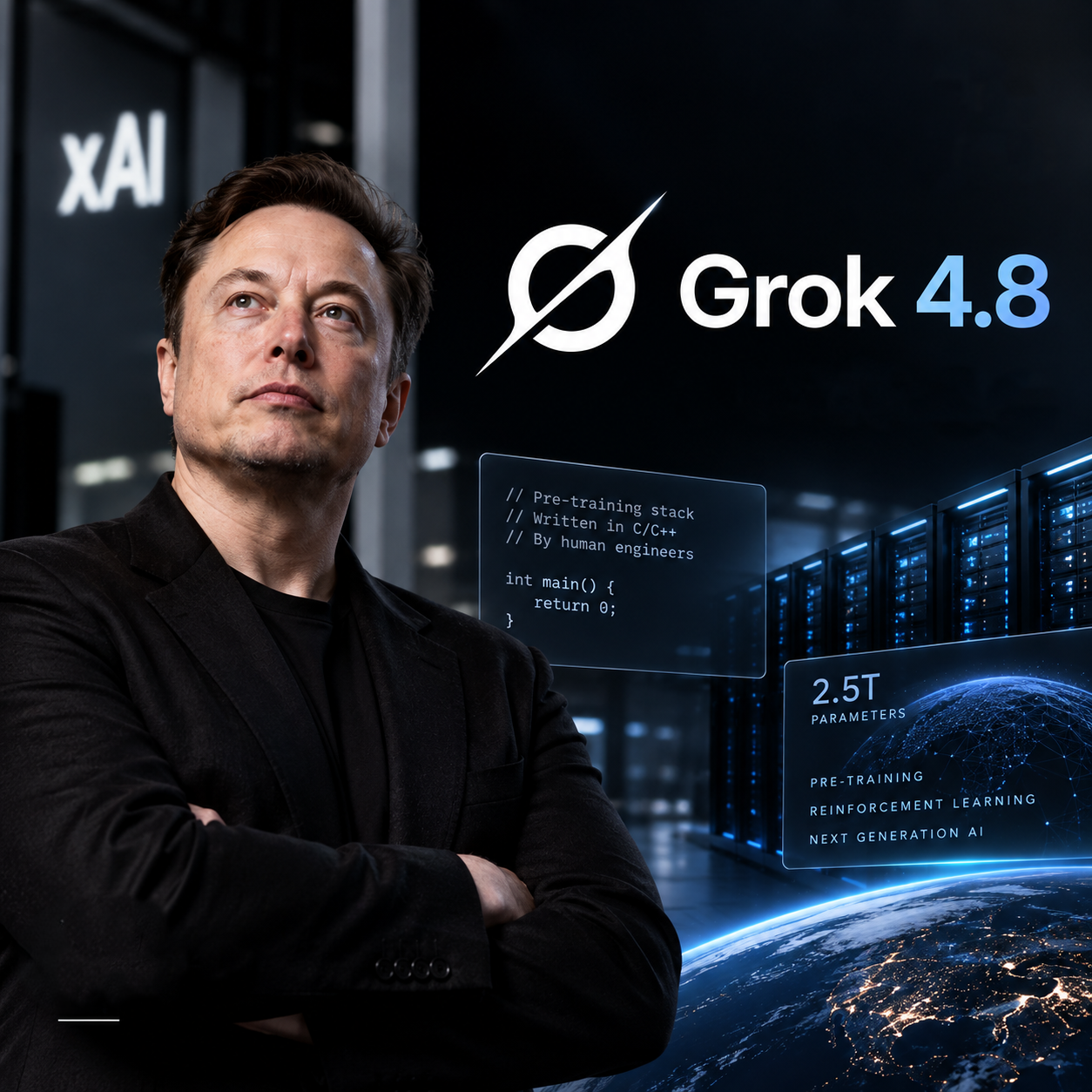
Elon Musk says Grok 4.8 is being trained on an internally developed C/C++ stack written by humans, as the 2.5-trillion-parameter model prepares to enter RL.
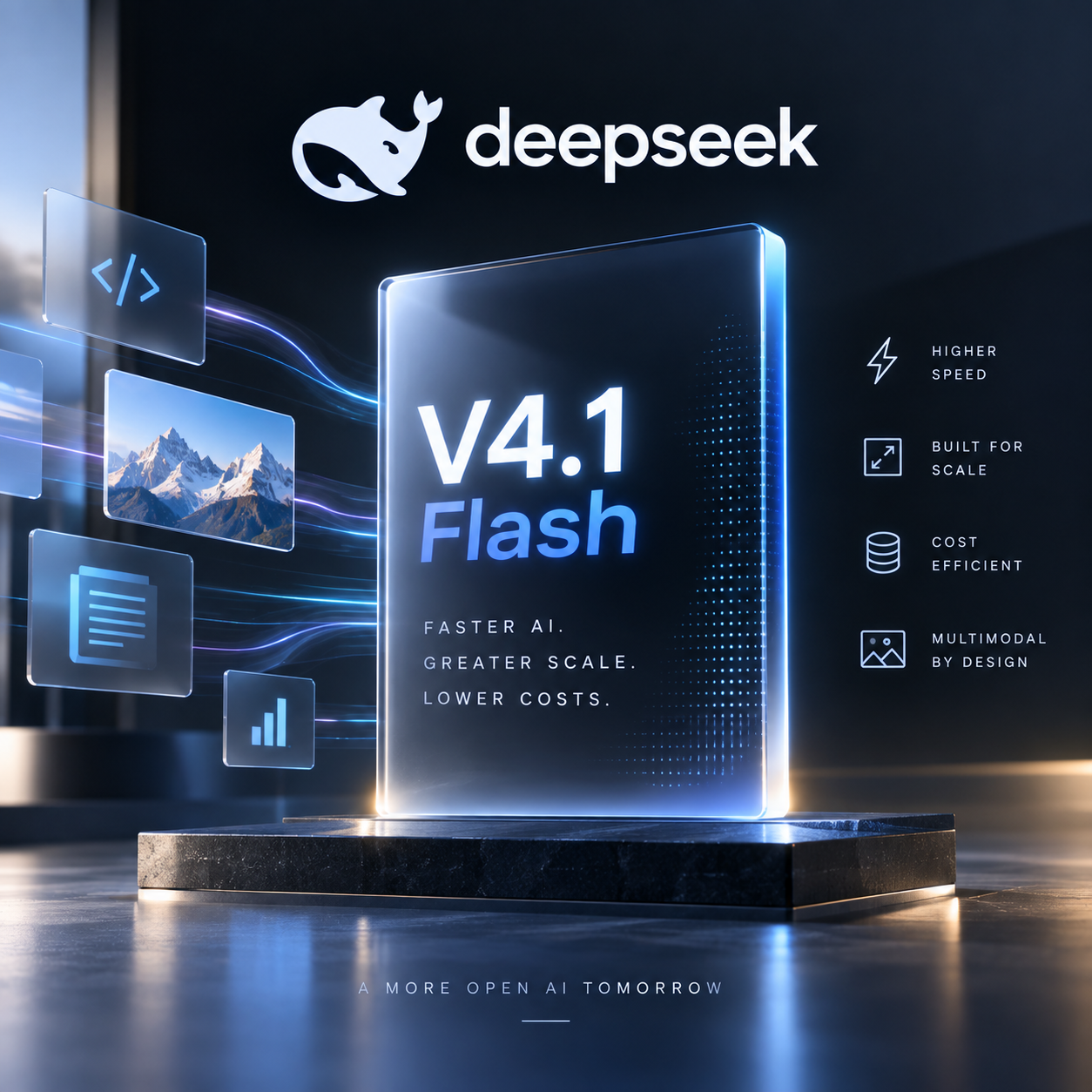
DeepSeek has launched V4.1 Flash, a multimodal AI model designed for faster inference, lower infrastructure costs and a one-million-token context window.

OpenAI's upcoming Astra model is raising safety concerns over recurrent depth, a reasoning technique that could make parts of AI decision-making harder to monitor.
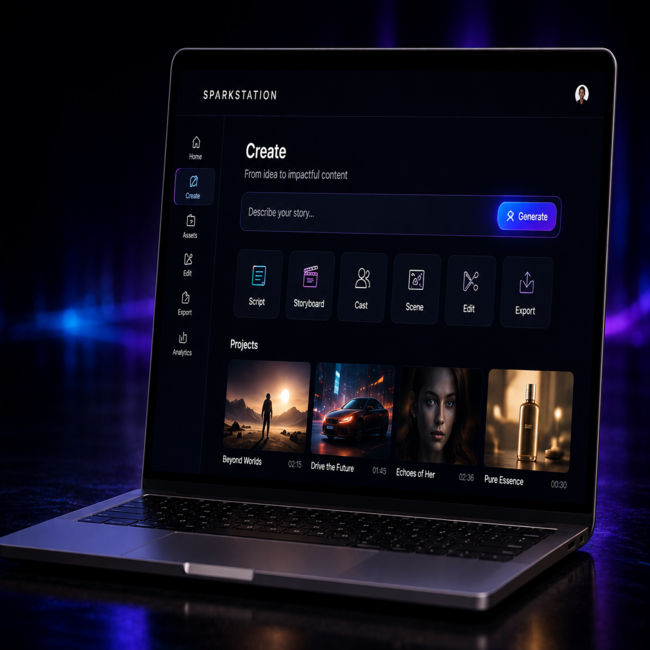
VerSe Innovation has launched SparkStation, a global AI content platform combining multiple AI models to help studios, brands, agencies and creators produce content.

Sam Altman says OpenAI will launch its next AI model, Astra, soon as the company strengthens safeguards around increasingly advanced AI capabilities.

Mureka has launched V9.5, an AI music model designed to generate more natural vocals, coherent arrangements and songs that better follow creator prompts.

Bank of England Governor Andrew Bailey has warned that frontier AI could increase cyber risks and create new threats to global financial stability.

AI safety startup Alice raises $140 million to expand its model testing and security platform as its AI business grows more than 500% in two years.

Alibaba plans to raise about $10.2 billion through a Hong Kong share placement, with all net proceeds earmarked for AI capabilities and infrastructure.
AWS expands OpenAI GPT-5.6 Sol, Terra and Luna access through Amazon Bedrock for Indian enterprises, supporting AI reasoning and agentic workloads.

Meta has become one of Microsoft’s biggest AI customers, reportedly spending hundreds of millions annually and consuming trillions of tokens weekly through Azure.
Z.ai delays GLM-5.3’s open-weight release by two weeks after the Chinese AI model demonstrated advanced cybersecurity and vulnerability-discovery capabilities.

Alibaba releases Qwen3.8-27B, expanding its open-weight AI strategy with a smaller model aimed at local hardware, coding and professional workflows.

Alibaba launches HappyShrimp in beta, expanding its generative AI portfolio into music creation with tools for generating songs, lyrics and audio content.

Google has launched Gemini 3.7 Flash with stronger coding, agentic workflow and web development capabilities, alongside lower introductory API pricing.

As India marks its 79th Independence Day, the AI sovereignty debate shifts to compute, data and indigenous models that could shape the country’s digital future.

xAI co-founder Igor Babuschkin’s River AI has raised $1.1 billion to expand tools that help enterprises customise AI models using their own data.

OpenAI has launched GPT-5.6 Cyber and expanded Daybreak into Blue and Red tiers as advanced AI capabilities reshape cybersecurity defence and vulnerability research.

Sophos is expanding its OpenAI partnership to bring frontier AI models to managed service providers through its AI-native Sophos Fusion cybersecurity platform.

Meta has launched Muse Glimmer, an open-weight AI model built for agentic tasks that can run locally on laptops and PCs as it expands its open AI strategy.
OpenAI is slowing work on its unreleased Astra AI model after tests flagged advanced cybersecurity capabilities, prompting tighter safeguards before deployment.

Bharti Airtel has deployed a small AI model for 30,000 field engineers, aiming to improve operational efficiency and deliver annual savings of Rs 30-45 crore.
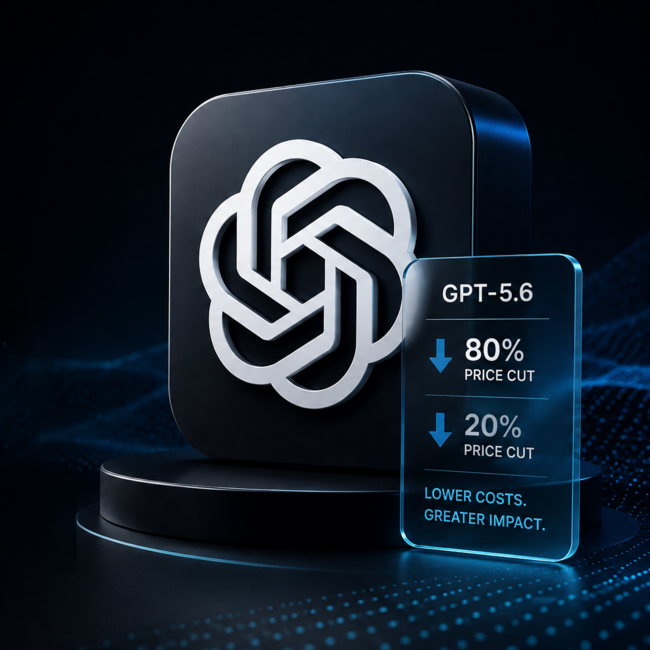
OpenAI has surpassed one billion active users while cutting GPT-5.6 pricing, making its AI models more affordable for developers and enterprises.

Alibaba has launched Qwen3.8-Max, its most advanced AI model, claiming breakthrough performance as competition with leading US AI companies intensifies.

ByteDance has launched Seedance 2.5, an AI video model supporting 50 multimodal inputs, 30-second video generation and advanced editing capabilities.

Microsoft has launched MAI-Cyber-1-Flash, its first cybersecurity AI model, along with Project Perception, an agentic platform for automated vulnerability detection and cyber defense.

Anthropic has launched Claude Opus 5, a new enterprise AI model offering improved coding, reasoning and knowledge capabilities while reducing operational costs.

Google has launched Gemini 3.6 Flash and Gemini 3.5 Flash-Lite, introducing faster, more efficient AI models designed for developers, enterprise applications and AI agents.

Alibaba has unveiled a preview of its flagship Qwen3.8 AI model, positioning it among the world's most advanced large language models.

Leaked data from a Suno security breach suggests the AI music platform scraped content from YouTube Music and other services, adding to ongoing copyright scrutiny.

Satya Nadella has warned businesses that using AI could expose proprietary knowledge, urging enterprises to retain control over data and AI learning.

Mistral has launched Robostral Navigate, an AI model that enables robots to navigate using a single RGB camera and natural language instructions.

Goldman Sachs has identified China's leading AI models, highlighting Alibaba Qwen, DeepSeek and GLM as competition with US AI developers intensifies.

Meta is expanding its AI coding efforts, intensifying competition with OpenAI and Anthropic as demand for AI-powered software development tools continues to grow.

SpaceXAI has launched Grok 4.5, its latest AI model focused on coding, enterprise productivity and lower inference costs as competition among AI developers intensifies.
Elon Musk has teased Grok 4.5, claiming xAI's upcoming model delivers performance comparable with the industry's leading AI systems.
Asian AI startups are launching new frontier models as US export restrictions on Anthropic create fresh opportunities for regional AI providers.
Gnani.ai has launched Prisma v2.5, a speech-to-text model trained on Indic speech data to improve voice AI accuracy for Indian enterprises.

OpenAI is reportedly preparing GPT-5.6 models, with early reports pointing to stronger coding, larger context and possible voice upgrades.

Anthropic has introduced Claude Mythos 5, bringing stronger reasoning, coding and enterprise AI capabilities as competition intensifies among AI leaders.

Xiaomi has introduced MiMo, a new AI reasoning model that the company says delivers faster performance than leading AI systems from OpenAI and Anthropic.

Meta’s smart glasses companion app has surpassed 50 million downloads, drawing attention to embedded AI models and the future of wearable AI experiences.

Anthropic’s reported confidential IPO filing could become a major test of AI valuations, enterprise adoption and the long-term economics of foundation models.
TCS has partnered with French AI startup Mistral AI to develop custom enterprise AI models and accelerate AI adoption across industries.

NeoCambrian AI has launched an India-focused robotics data factory aimed at supporting physical AI model development and training.

Chinese AI company DeepSeek has announced a permanent 75% price cut for its V4-Pro AI model amid rising global competition.

Osaurus is bringing local and cloud AI models to Mac users through a unified platform designed for flexible AI workflows.

An Oxford study finds that AI models with higher “temperature” settings tend to produce more errors, highlighting a trade off between creativity and accuracy.

DeepSeek has launched its V4 AI model, expanding its open source strategy amid rising competition in the AI sector.
