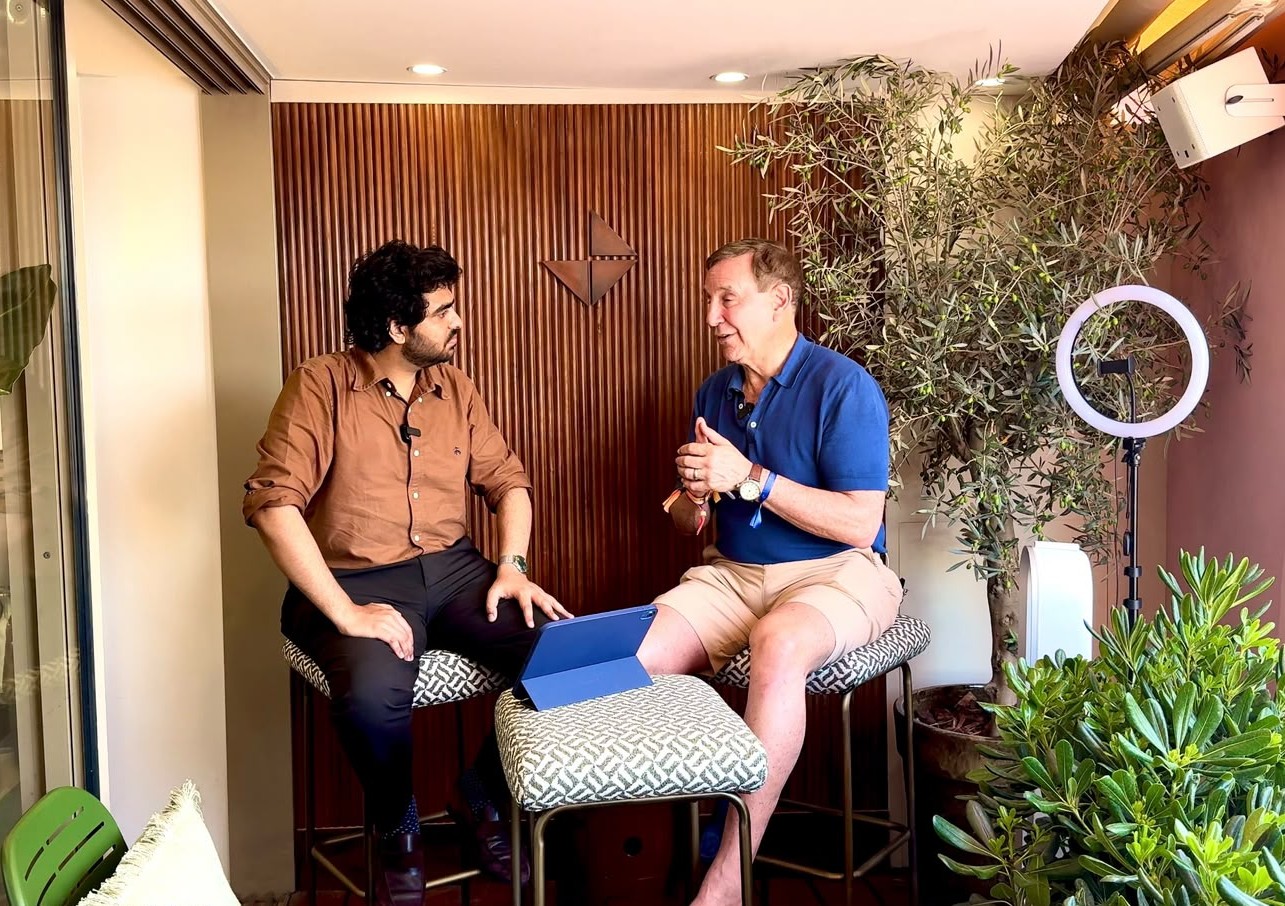
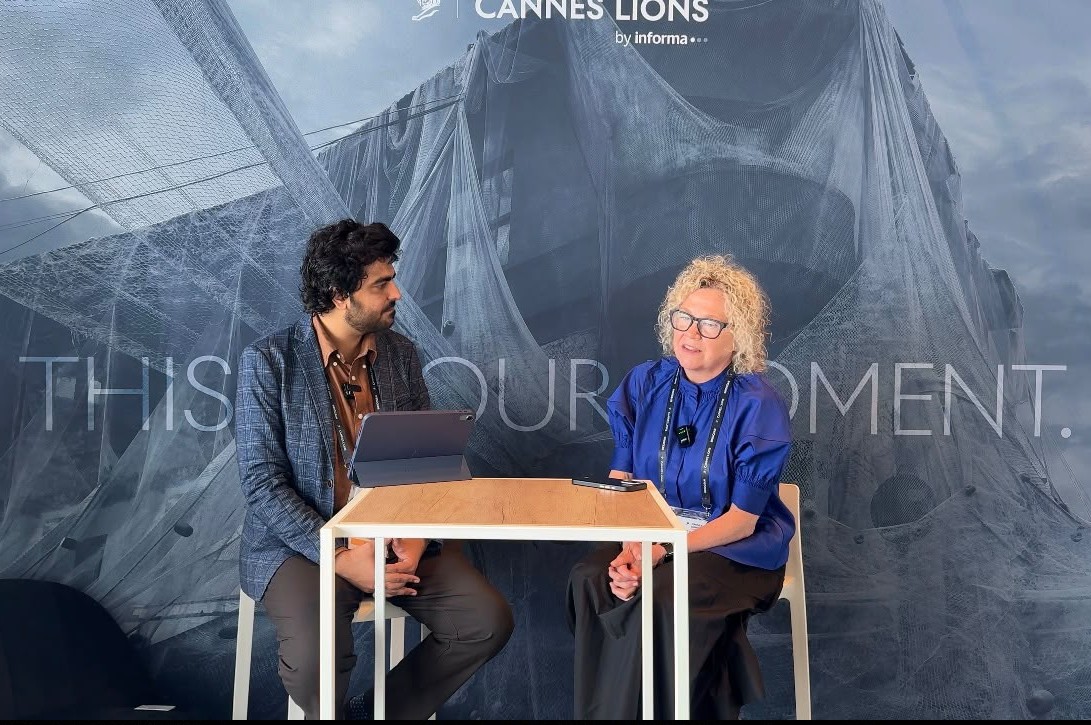
As AI fundamentally reshapes how consumers discover brands online, marketers are being forced to rethink everything from search visibility to customer journeys.
In this interview with Brij Pahwa, Paul Longo, GM of AI and Ads at Microsoft Advertising, about why AI agents are becoming the new gatekeepers of brand discovery, how marketers should prepare for an AI-assisted internet, why creativity matters more than ever in the age of generative AI, and the capabilities every CMO needs to build for the next era of marketing.
1. AI agents are rapidly becoming a new interface between consumers and brands. How do you see agentic AI reshaping the traditional customer journey, and what should marketers be preparing for today?
AI agents are moving the customer journey from a linear path to a much more dynamic set of interactions. Consumers are asking AI systems to compare options, summarize trade-offs, make recommendations, and increasingly take action on their behalf. That means brands need to show up before the click, at the moment an AI system is forming the shortlist of sources to cite.
For marketers, the work starts with making your brand legible, trusted, and actionable in AI environments. That means strong structured data, accurate product feeds, clear content, and measurement that shows how AI systems discover and represent you. It also elevates the importance of the brand website, which is re-emerging as a critical source of truth and needs to be continuously updated with content that is useful to people and easy for AI systems to understand, index, and reference. The brands that move fastest will think beyond campaigns and build systems that work across the human web, the AI-assisted web, and the emerging agentic web.
2. Many industry leaders believe we are moving from a search-driven internet to an AI-assisted internet. What does this shift mean for brand discovery, visibility, and consumer decision-making?
It changes the definition of visibility. In traditional search, the goal was to rank, earn the click, and bring someone to your site. In an AI-assisted journey, a decision may start inside an intelligent platform where answers, recommendations, and comparisons are synthesized before someone ever visits a brand-owned destination.
So brands need to optimize for being discovered, cited, and chosen. At Microsoft, we think grounding is becoming the new foundation of discovery. Microsoft Web IQ helps AI systems connect to fresh, authoritative knowledge from across the web, and Microsoft Clarity helps brands understand when and how their content is used in AI-generated answers. Being accessible to AI is quickly becoming as important as being findable in search results.
3. As AI-generated content becomes increasingly accessible, what will separate strong brands from the rest? Do you believe creativity will become more important or less important in an AI-first era?
I think creativity becomes more important, not less. As AI makes content creation faster and easier, the differentiator will not be who can generate the most assets. It will be who has the clearest strategy, strongest brand point of view, and best human judgment.
AI should be seen as an accelerator of creativity, not a replacement for it. We saw that play out at Cannes this year, where the scale of participation and energy reinforced that creativity and human connection have never been more important.
Our view is that marketing should be intelligent, not just automatic. AI can help teams move faster, generate more options, uncover insights, and optimize performance. But it should work in service of human creativity and brand intent, not replace it. Strong brands will use AI to amplify craft, not flatten it.
4. Marketing teams are under pressure to demonstrate measurable business impact from AI investments. What are the most meaningful use cases where AI is already delivering tangible value for marketers today?
The most meaningful use cases are the ones that improve performance, remove friction, or create better customer experiences. We are seeing value in all three areas.
On performance, advertisers using Performance Max see an average 8% lift in incremental conversions, and AI Max is helping improve search through expanded query matching, asset personalization, smarter URL routing, and new controls and reporting. AI-generated text assets are also helping marketers create on-brand variations at scale while honoring inputs around voice, tone, imagery, and messaging guidelines.
On workflows, Copilot in the Microsoft Advertising Platform and the Microsoft Advertising MCP server help teams bring live campaign data into the AI tools they already use, saving time on reporting, diagnostics, audits, and analysis.
And on customer experience, Brand Agents bring conversational shopping assistants directly to merchant sites and have driven an average 2x lift in conversion rates versus unassisted sessions.
The common thread is practical impact. AI is most powerful when it helps marketers make better decisions faster and turn those decisions into measurable outcomes.
5. Consumer expectations around personalization continue to rise, but so do concerns around privacy and trust. How can brands strike the right balance between delivering relevance and maintaining consumer confidence?
Relevance and trust have to be designed together. Consumers expect useful, personalized, low-friction experiences, but they also expect transparency, control, and confidence that their data is being handled responsibly. Privacy is not a constraint on personalization. It is the foundation that makes personalization sustainable.
That starts with a clear value exchange. People are more open to personalization when they understand why they are seeing something, how it helps them, and what control they have. For brands, the goal should not be personalization for its own sake. It should be relevance that earns confidence and creates a better customer experience.
6. Looking beyond the current wave of generative AI adoption, what emerging trends or technologies do you believe will have the biggest impact on the marketing industry over the next three to five years?
Three shifts stand out. First is AI-mediated discovery, where consumers increasingly rely on assistants and agents to research, compare, and decide. That raises the importance of grounding, structured data, and GEO because AI systems need accurate, current, trusted information to represent brands well.
Second is agentic commerce. Discovery and transaction are moving closer together, so brands will need product information, feeds, checkout experiences, and commerce infrastructure that can support AI-assisted shopping.
Third is the move from standalone marketing tools to AI-native workflows. Marketers will increasingly bring campaign data into the AI environments they already use, whether that is Copilot, Claude, ChatGPT, or custom agents. The organizations that adapt fastest will treat AI readiness as an operating model, not a one-off technology deployment.
7. If you were advising a CMO leading a global brand today, what are the three capabilities they should prioritize building to remain competitive in an increasingly AI-driven marketplace?
First, AI visibility and discovery readiness. Brands need to know how they show up in AI-generated answers, whether their content is accessible and authoritative, and where gaps may prevent them from being cited or chosen.
Second, the data, measurement, and signal foundation. AI only performs as well as the inputs behind it. Marketers need clean measurement, high-quality signals, complete feeds, strong assets, and attribution models that reflect the full customer journey. That is why our AI Maturity Framework starts with measurement and foundations before moving into scaling and more transformative AI-led marketing.
Third, an operating model where humans and AI work together. Use AI to improve performance, accelerate creative development, uncover insights, and build agentic workflows, while keeping human judgment at the center of strategy, brand safety, and trust. The goal is not to automate everything. The goal is to remove friction, expand what teams can do, and help brands show up with confidence wherever decisions are made.
Related Articles