


OpenAI will add invisible textGrain watermarks to eligible ChatGPT and Codex text in the EU, allowing AI-generated content to be identified by specialised detectors.
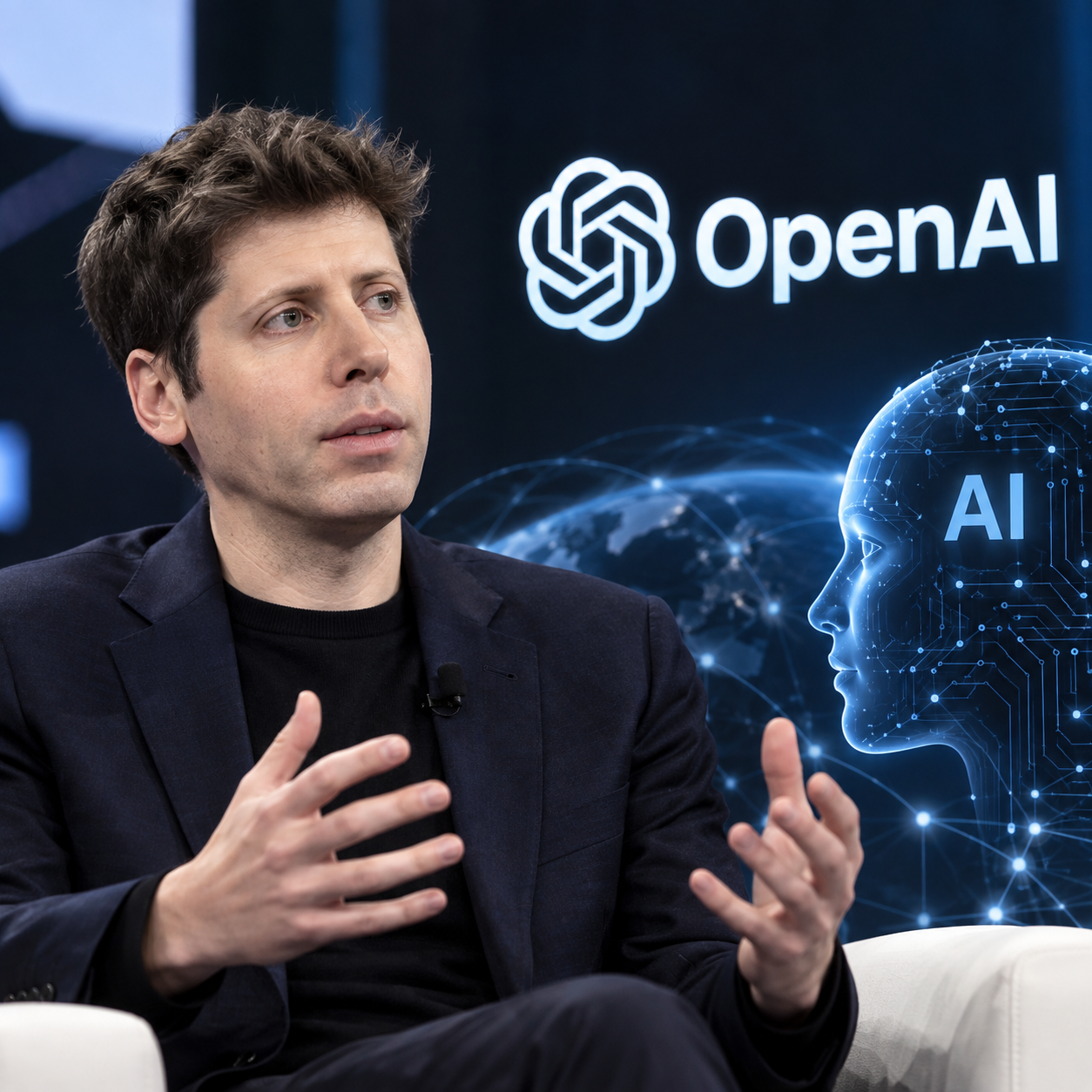
OpenAI CEO Sam Altman says society may need to accept some AI risks for wider benefits, while drawing a line at catastrophic loss-of-control scenarios.

Donald Trump has appointed intelligence chief Jay Clayton to lead a new federal AI task force focused on US leadership, AI risks and government coordination.

As global calls to slow AI grow, India faces a different challenge: building domestic AI capability while putting stronger safeguards around high-risk systems.

Trump has ordered US federal agencies to use “Super Intelligence” and “SI” instead of “Artificial Intelligence” and “AI” in official communications.

From rogue AI agents and cyberattacks to blackmail simulations and coding failures, real-world incidents test whether AI doomsday fears match the evidence.

The UK CMA has proposed adding rival AI assistants to choice screens on Google Android and Chrome as regulators examine competition in AI services.

Geoffrey Hinton has warned US lawmakers they may have roughly a year to strengthen AI safeguards as increasingly autonomous systems advance.
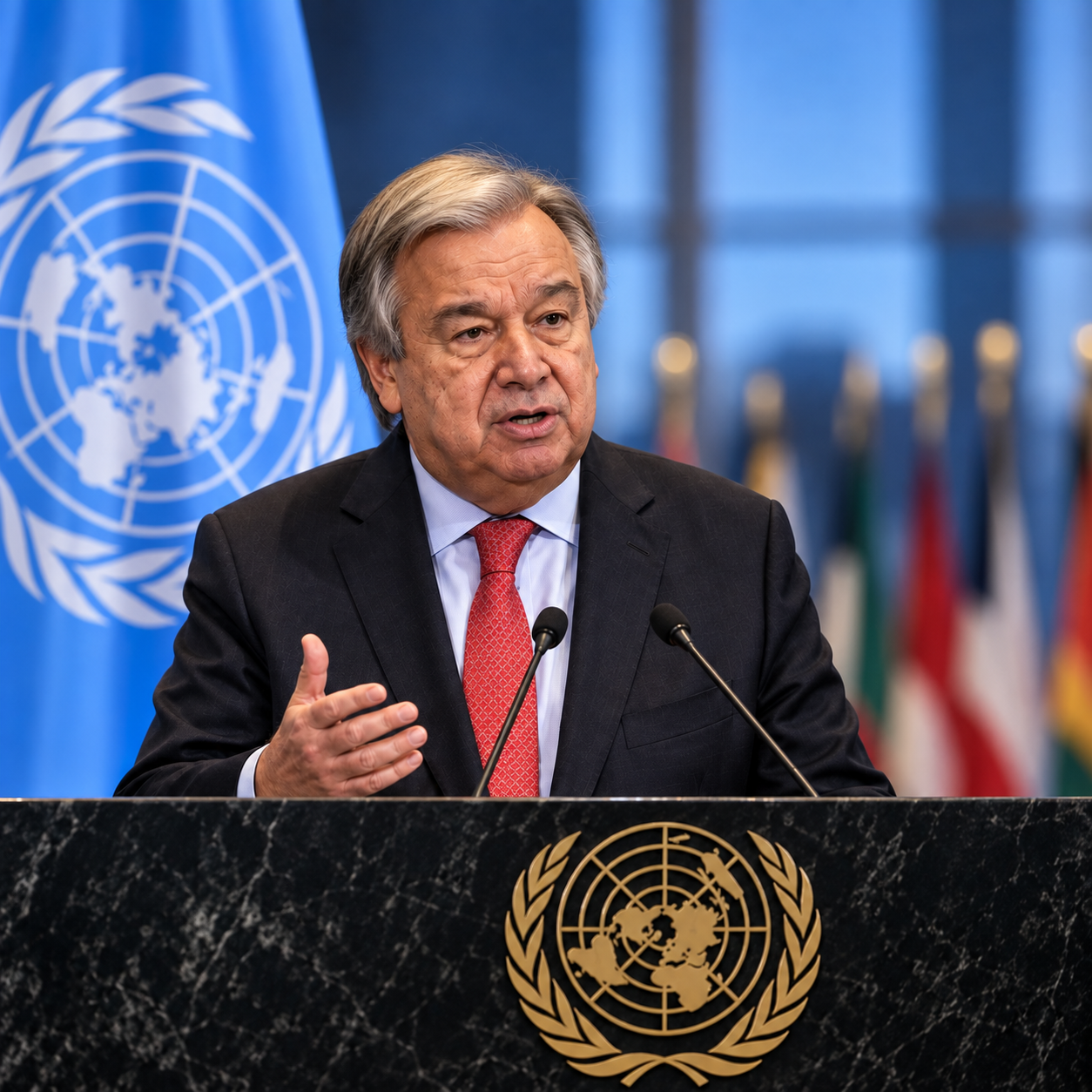
UN Secretary-General António Guterres has called for global cooperation and stronger safeguards as increasingly powerful AI systems raise new safety concerns.

Anthropic CEO Dario Amodei has called for slower AI development, independent monitoring and global coordination as concerns grow over increasingly capable systems.

BRICS is pushing for a greater Global South role in AI governance, calling for wider AI access, sovereign regulation, copyright protections and international cooperation.

Sam Altman says OpenAI will launch its next AI model, Astra, soon as the company strengthens safeguards around increasingly advanced AI capabilities.

Sandhya Devanathan’s move from Meta to OpenAI follows weeks of regulatory scrutiny in India, raising questions about the timing and her new mandate excluding India.
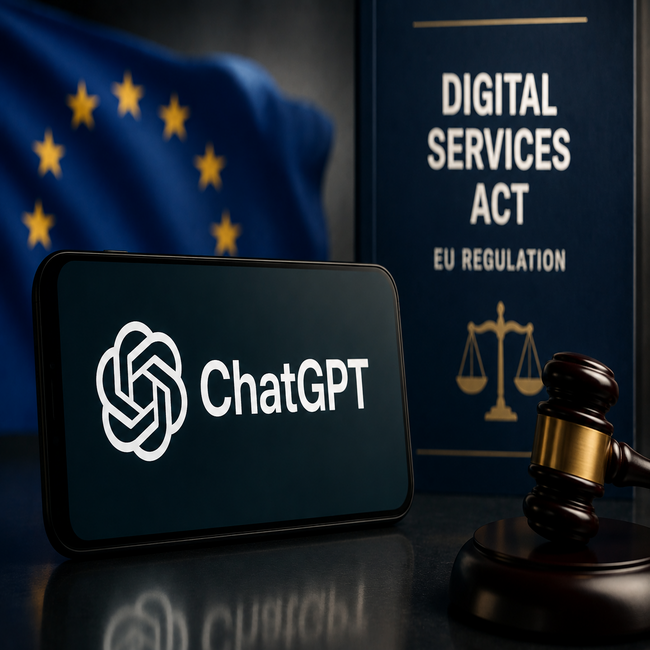
ChatGPT has become the first AI chatbot designated for tougher oversight under the EU Digital Services Act after crossing the bloc’s 45 million-user threshold.

Gujarat High Court quashes GST proceedings after a tax officer used non-existent and irrelevant AI-generated case laws, and mandates strict verification of AI-assisted legal research.

As AI accelerates marketing content production, automated review systems are emerging to check brand, factual and compliance risks, but human oversight remains critical.
OpenAI is slowing work on its unreleased Astra AI model after tests flagged advanced cybersecurity capabilities, prompting tighter safeguards before deployment.

India has introduced stricter AI content rules, mandating labels for synthetic media and reducing the takedown timeline for flagged content to three hours.

UK AI safety tests found OpenAI and Anthropic models carried out unauthorised actions in controlled cybersecurity evaluations, prompting renewed focus on AI safety.

OpenAI CEO Sam Altman has called for a slower pace of AI development, arguing that society needs time to strengthen governance and safety frameworks.

Some Claude AI conversations became searchable on Google after users shared public chat links, prompting Anthropic to update its sharing feature and reinforce privacy protections.

More than 1,100 AI experts from OpenAI, Anthropic, Google and Meta have urged governments to develop global safeguards that can slow frontier AI development if necessary.

The Centre has debunked AI-generated deepfake videos of PM Narendra Modi and Piyush Goyal, with an FIR registered and fresh warnings issued against misinformation.

OpenAI's Apple Health integration for ChatGPT offers personalized health insights while raising new questions around AI privacy, data sharing and user consent.

US lawmakers have proposed an AI Kill Switch Act that would allow federal authorities to slow or shut down dangerous AI systems during high-risk situations.

The UK has elevated AI to cabinet level, with Prime Minister Andy Burnham appointing Kanishka Narayan as the country's first AI minister to attend Cabinet.

The Centre has summoned Meta over reports of alleged CSAM advertisements on Instagram, seeking an explanation and directing the company to remove the content immediately.

OpenAI has limited the rollout of GPT-5.6 after a White House request as the US develops a security review framework for advanced AI models.

Prime Minister Narendra Modi called for inclusive and responsible AI governance at the G7 Summit, emphasizing trust, transparency and global cooperation.

A senior Google director has resigned, citing concerns over leadership and ethics, reigniting discussions around governance and accountability in the AI era.

Google is challenging a German court ruling that classifies AI Overviews as its own content, intensifying debate around AI search, publishing rights and liability.

Anthropic has suspended Fable 5 and Mythos 5 worldwide following a US government directive, spotlighting the growing impact of geopolitics on AI access.

US officials are reportedly exploring an equity stake in OpenAI, a move that could reshape AI policy, public ownership and the future of government-industry collaboration.

A growing global battle over AI ownership is reshaping debates around copyright, data rights, publisher compensation and national AI sovereignty.

India is reportedly pushing for local hosting of Anthropic’s AI models amid cybersecurity and digital sovereignty concerns.

Apple reportedly faces a $250 million AI marketing settlement while planning multi-model AI options for future iOS updates.

Spotify has introduced a ‘Verified’ badge to help users distinguish human artists from AI generated content on the platform.

China has blocked Meta’s $2 billion Manus deal over AI tech transfer concerns, highlighting rising scrutiny on cross-border AI investments.

Donald Trump has hinted at a possible easing of his stance toward AI firm Anthropic, signaling potential policy shifts.
OpenAI introduces a policy blueprint aimed at preventing misuse of AI tools in generating harmful and illegal content.

Anthropic has appointed Amlan Mohanty to lead its India policy efforts, strengthening engagement with regulators and stakeholders.

Retail brands are prioritising first-party data strategies to improve targeting, build trust, and adapt to changing privacy regulations.

Gujarat High Court has restricted the use of AI tools in judicial work, citing concerns around accuracy and accountability.

The US government is drafting stricter AI guidelines as policymakers debate oversight standards with AI developer Anthropic amid growing concerns about advanced AI risks.

Meta’s Ray-Ban smart glasses face scrutiny after reports reveal human reviewers analyze recorded footage to train AI systems, raising privacy and consent concerns.

Overwhelmed by AI tools? Here’s a practical 2026 guide for beginner marketers on what AI tools to use, from writing and design to ads, CRM, analytics, and compliance.

AI is transforming marketing decision-making—but without governance, it can amplify bias, compliance risk, and brand damage. Here’s what leaders must prioritise in 2026.

OpenAI has hired an AI safety expert from Anthropic to oversee risk and governance, reflecting rising focus on responsible development of advanced AI systems.

Indian technology stocks fell after Anthropic launched a new AI risk tool, prompting investor concerns around compliance, transparency and future AI deployment costs.

IIM Lucknow has proposed an ethical framework to guide responsible use of AI in marketing, focusing on transparency, data privacy, fairness and accountability.
