


AI-powered phishing, deepfake voices and impersonation scams are making online fraud harder to detect, raising new concerns around cybersecurity, brand safety and digital trust.
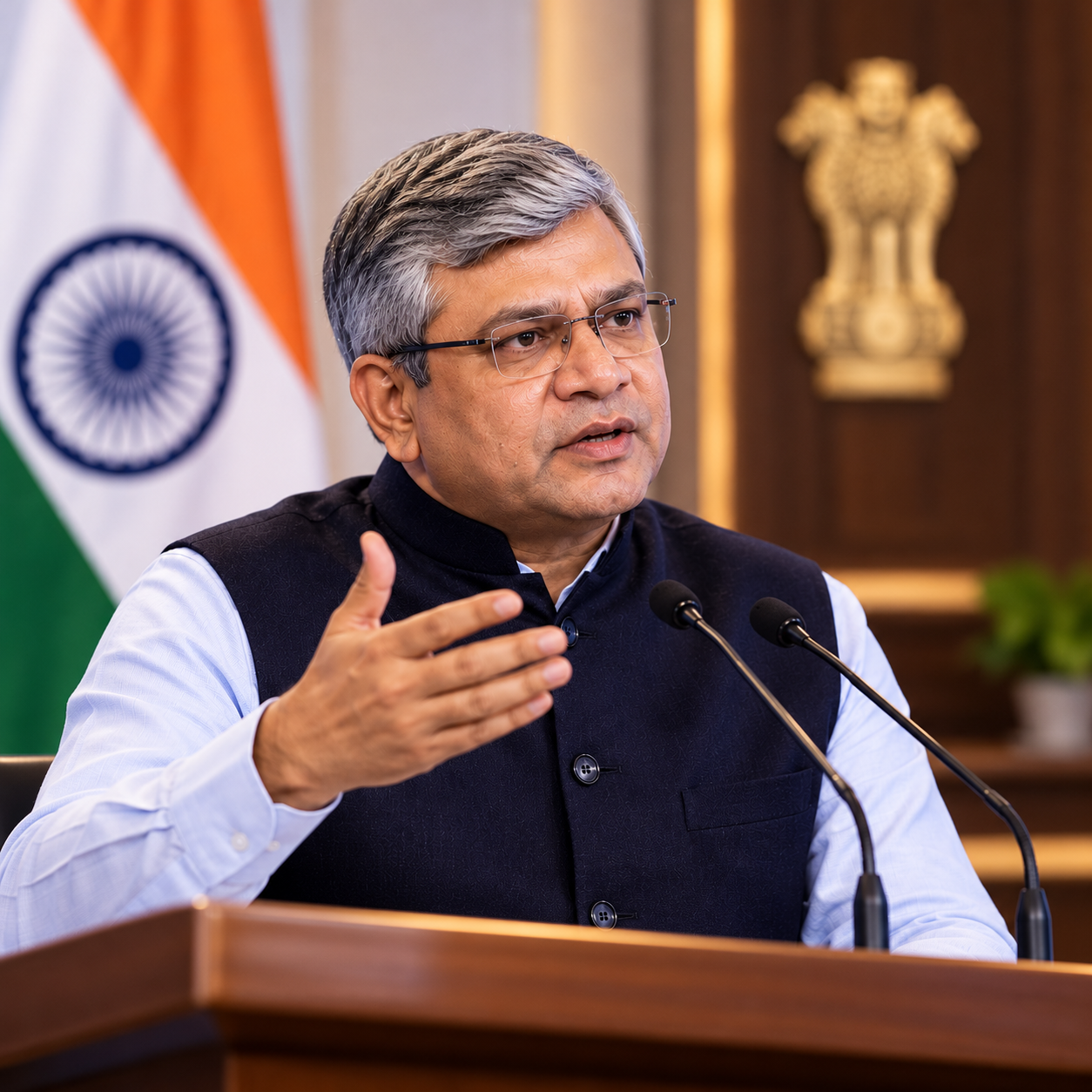
India will release an AI regulation consultation paper within a month, focusing on deepfakes, cybersecurity, user safety, skilling and responsible AI adoption.

YouTube has introduced AI workflow tools for news publishers alongside identity protection features aimed at detecting unauthorised AI-generated likenesses.

AI-generated videos are getting harder to spot. Here are five practical ways to verify suspicious videos, from reverse search and watermarks to AI detectors.

Donald Trump shared an AI-generated video depicting an attack on Iran’s Kharg Island, although no actual US strike on the key oil hub had been confirmed.

AI is making scams more personalised and convincing through tailored phishing, voice cloning and synthetic media, challenging how consumers and brands verify digital trust.

Rezolve AI has launched Rezolve Provenance to mark, sign and verify AI-generated and AI-modified text, images, voice and video.

India has introduced stricter AI content rules, mandating labels for synthetic media and reducing the takedown timeline for flagged content to three hours.

Google has rolled back its AI-powered Google Earth image generation feature within 24 hours after concerns over fake satellite imagery and misinformation.

OpenAI is expanding cybersecurity and anti-misinformation efforts ahead of major global elections amid rising concerns over AI misuse.

AI agents, answer engines and video commerce are reshaping brand discovery, customer engagement and digital marketing strategies in 2026.

India is witnessing a surge of AI-generated content—from robot anchors to chatbot-written articles—raising urgent questions about misinformation, ethics, and public trust in digital media.

India’s MeitY plans a full-fledged AI Act modelled on the IT Act to regulate synthetic and AI-generated content, following new deepfake rules.

India announces stricter AI regulations to combat deepfakes, requiring platforms to label synthetic and manipulated content.

Denmark plans to let citizens copyright their image and voice to combat AI deepfakes and unauthorized use.
