

Datavault AI has expanded its healthcare blockchain and data monetization licensing agreement with DataMEDS AI to support broader AI-powered health data applications.

Samsung has launched the beta version of its AI-powered Health Assistant, offering personalized wellness insights through Samsung Health and Galaxy AI.

Meta has launched its first self-branded AI smart glasses, expanding its wearable strategy with a more affordable entry into the growing AI eyewear market.

Luna has unveiled an AI-powered wearable designed to help users manage schedules, productivity, wellness, and daily routines more efficiently.

Rokid is emerging as a competitor to Ray-Ban Meta as the smart glasses market sees growing momentum.

Snap has selected Qualcomm chips to power its upcoming AI-enabled smart glasses, signalling a push into next-gen wearable technology.
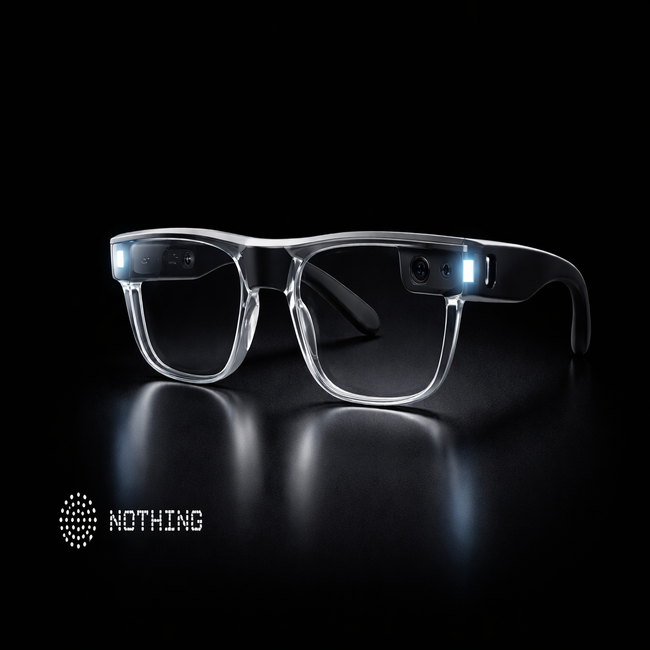
Nothing is reportedly planning to launch AI-powered smart glasses next year, marking its entry into the wearable AI segment.

Ray Ban Meta smart glasses were showcased at Lakme Fashion Week 2026, highlighting the growing fusion of wearable technology and fashion.

Meta’s Ray-Ban smart glasses face scrutiny after reports reveal human reviewers analyze recorded footage to train AI systems, raising privacy and consent concerns.

Qualcomm introduces Snapdragon Wear Elite chipset with advanced on-device AI, improved battery efficiency and enhanced connectivity for next-generation smart wearables.

Samsung is targeting sales of 400 million AI-powered devices by 2026 as it expands artificial intelligence capabilities across smartphones, wearables and consumer electronics.

Apple is exploring an AI-powered wearable pin with cameras and microphones as part of its expanding hardware strategy, aiming to compete in the fast-evolving AI device market. (under 200 chars)

As AI wearables move beyond screens, startups are rethinking product design, user trust and business models in an emerging post smartphone era.

Lenskart invites developers to build apps on its upcoming AI smart-glasses “B by Lenskart” for use cases across fitness, food delivery and wellness.

Google’s Fitbit introduces Gemini AI-powered health coach to deliver personalized fitness plans, recovery insights, and adaptive wellness guidance.
