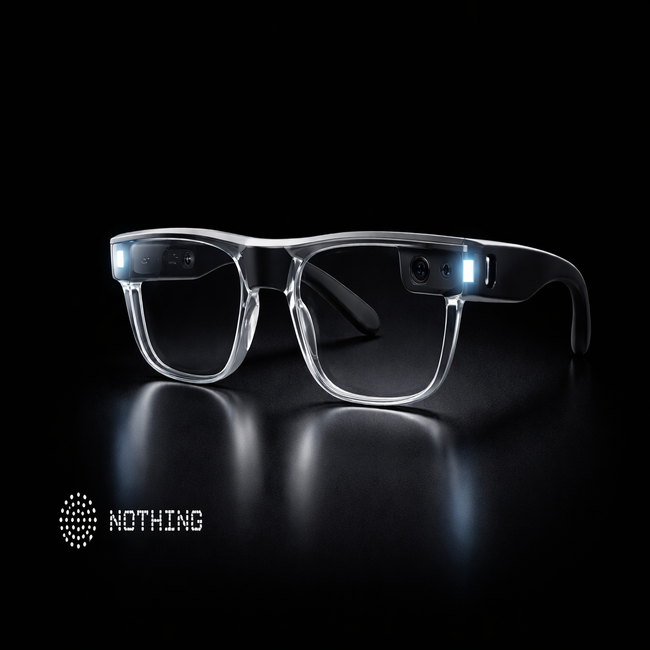
Snap Inc. has selected Qualcomm’s chip technology to power its upcoming generation of AI-enabled smart glasses, marking a continued push by the company into augmented reality and wearable computing.
The partnership signals Snap’s intent to strengthen its hardware capabilities by leveraging Qualcomm’s expertise in mobile and edge computing. Qualcomm’s chips are widely used across smartphones, XR devices, and connected hardware, making them a strategic choice for companies developing next-generation wearable products.
The planned smart glasses are expected to incorporate artificial intelligence features that enhance user interaction and real-time processing. These capabilities could include contextual overlays, voice-based interactions, and improved visual recognition, although specific feature details have not been fully disclosed.
Snap has been investing in augmented reality for several years, positioning itself as a key player in the space through its Spectacles line and AR-focused developer ecosystem. The integration of advanced chipsets is seen as a step towards delivering more powerful and immersive experiences on wearable devices.
Qualcomm, for its part, has been expanding its footprint in extended reality and AI-powered hardware. Its Snapdragon platforms are designed to support low-latency processing, on-device AI capabilities, and energy efficiency, all of which are critical for wearable devices such as smart glasses.
The collaboration reflects a broader trend in the technology industry, where companies are exploring hardware-software integration to deliver seamless user experiences. As artificial intelligence becomes more embedded in consumer devices, the need for efficient processing at the device level is becoming increasingly important.
Industry observers note that smart glasses are emerging as a potential next frontier in personal computing, with several technology companies investing in the category. These devices aim to blend digital information with the physical world, offering new ways for users to interact with content and services.
Snap’s move comes amid growing competition in the AR and wearable technology space. Companies across the ecosystem are working on devices that combine augmented reality with AI-driven functionalities, aiming to create more intuitive and context-aware experiences.
The choice of Qualcomm chips is likely to support Snap’s efforts to deliver performance improvements while maintaining battery efficiency, a key challenge in wearable design. Processing AI tasks directly on the device can also reduce reliance on cloud computing, enabling faster responses and improved privacy.
Snap has previously indicated its ambition to make augmented reality more accessible and integrated into everyday life. The development of AI-powered smart glasses aligns with this vision, as the company continues to explore new hardware formats beyond its core social media platform.
The partnership also underscores the importance of collaboration in advancing emerging technologies. By combining Snap’s AR expertise with Qualcomm’s hardware capabilities, the companies aim to accelerate the development of wearable devices that can support advanced AI features.
While timelines for the launch of the new smart glasses have not been detailed, the announcement highlights ongoing momentum in the wearable technology segment. As companies continue to experiment with form factors and functionalities, smart glasses remain a focal point for innovation.
Snap’s continued investment in AR hardware, supported by Qualcomm’s chip technology, reflects a long-term strategy to expand its presence in the evolving landscape of immersive and AI-driven computing.