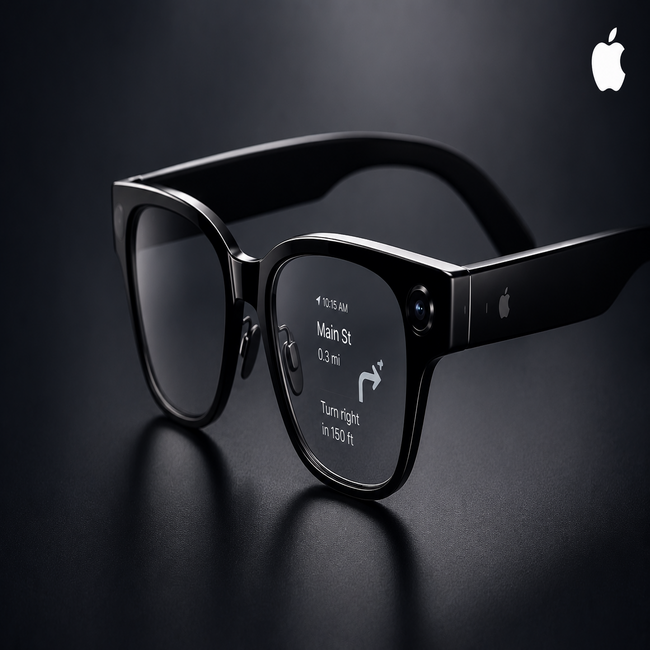

Apple is reportedly moving forward with plans to launch smart glasses aimed at mainstream consumers, with fresh industry reports suggesting a potential debut in 2027 as the company expands its ambitions in artificial intelligence-powered wearable technology.
According to recent leaks and industry speculation, Apple is developing lightweight smart glasses that could integrate AI-driven features while maintaining a form factor closer to conventional eyewear. The reported strategy reflects Apple's apparent effort to bring wearable computing to a wider audience after the launch of its Vision Pro mixed reality headset, which targets a more premium segment of the market.
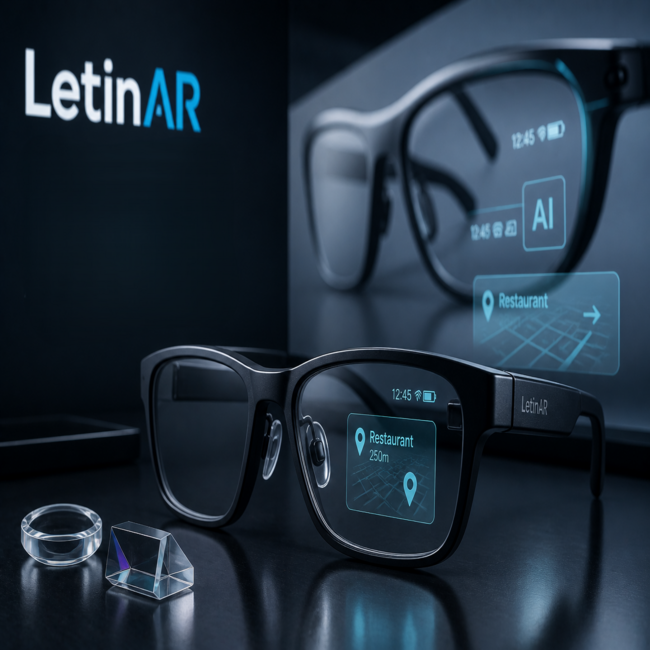
The smart glasses project is believed to focus on accessibility, convenience and everyday usability rather than immersive virtual experiences. Reports indicate that the device could incorporate cameras, microphones, voice interaction and AI-powered contextual assistance, enabling users to access information and digital services without relying entirely on smartphones.
Industry observers view the project as part of a broader shift toward AI-native consumer hardware. As artificial intelligence becomes increasingly integrated into daily digital experiences, technology companies are exploring new device categories that can deliver AI capabilities more naturally and continuously throughout the day.
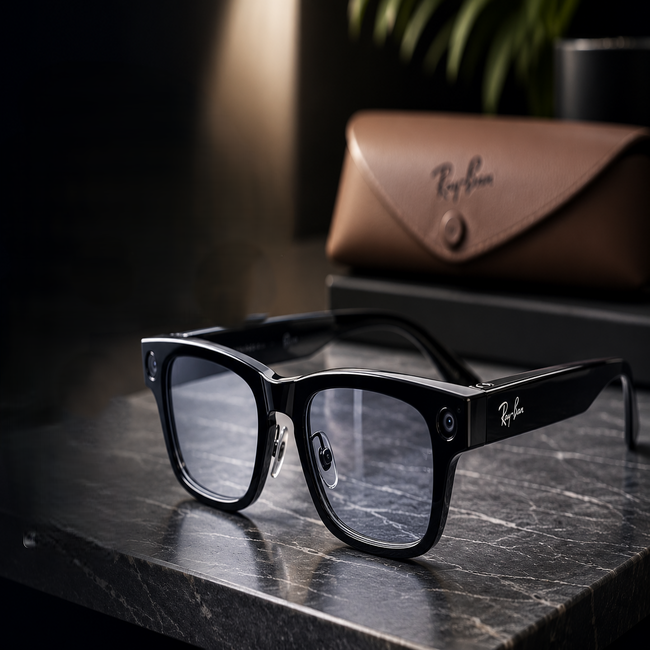
The reported development comes amid intensifying competition in the wearable AI market. Several technology companies have introduced or announced smart glasses initiatives that combine cameras, audio capabilities and AI-powered assistants. These devices are increasingly positioned as potential alternatives or companions to smartphones, offering hands-free access to information, communication and productivity tools.
Apple has not publicly confirmed details surrounding the reported smart glasses project. However, the company has invested heavily in augmented reality, spatial computing and artificial intelligence technologies over the past decade. Industry analysts have long speculated that smart glasses represent a key long-term objective within Apple's broader wearable technology strategy.
The latest reports suggest Apple's goal is to create a product capable of reaching a much larger consumer audience than current mixed reality headsets. While immersive headsets remain relatively niche products, smart glasses are widely viewed as having greater potential for mass adoption due to their familiarity and portability.
Artificial intelligence is expected to play a central role in the user experience. AI-powered assistants could help users navigate locations, receive notifications, translate languages, access contextual information and interact with digital services in real time. Advances in on-device processing and cloud-based AI systems are making such capabilities increasingly feasible within compact hardware designs.
The emergence of AI-powered smart glasses reflects a broader transformation occurring across the consumer technology industry. Companies are investing heavily in devices capable of delivering more personalized, context-aware experiences through artificial intelligence. Rather than requiring users to actively interact with screens, future devices may increasingly anticipate needs and provide information proactively.
Market researchers note that wearable devices are becoming an increasingly important battleground for technology companies seeking the next major computing platform. Smartphones remain dominant, but growing interest in AI assistants, augmented reality and ambient computing has accelerated development efforts across the sector.
Apple's reported timeline aligns with expectations that AI hardware will become a major focus area during the second half of the decade. Improvements in battery efficiency, semiconductor performance and AI model optimization are expected to enable more sophisticated wearable devices capable of supporting advanced features without compromising usability.
The company's potential entry into the smart glasses market could also influence broader industry adoption. Apple's product launches have historically played a significant role in shaping consumer awareness and accelerating adoption of emerging technologies. Analysts suggest a successful smart glasses product could help move wearable AI closer to mainstream acceptance.
While details remain limited and launch plans could evolve, the latest reports indicate Apple continues to explore ways to integrate artificial intelligence into everyday consumer experiences. If the reported timeline proves accurate, smart glasses could become the company's next major hardware category as the race to define the future of AI-powered personal technology intensifies across global markets in the coming years ahead.
Related Articles