The newest “hire” in marketing teams is not a person. It is software that observes, decides, and executes across the stack in real time. Over the last 18 to 24 months, AI agents have moved from experimentation to production across global and Indian enterprises. What makes this shift different from earlier automation waves is autonomy. These systems are not just assisting marketers. They are taking over repeatable decision loops.
Enterprise surveys from firms like Gartner and McKinsey & Company indicate that AI adoption in marketing has crossed 60 percent in large organisations, with measurable impact on cost efficiency and revenue growth. Within that, agentic AI is emerging as the next layer. Here are five clear ways AI agents are already replacing traditional marketing workflows.
1. Autonomous campaign optimisation is reducing human intervention
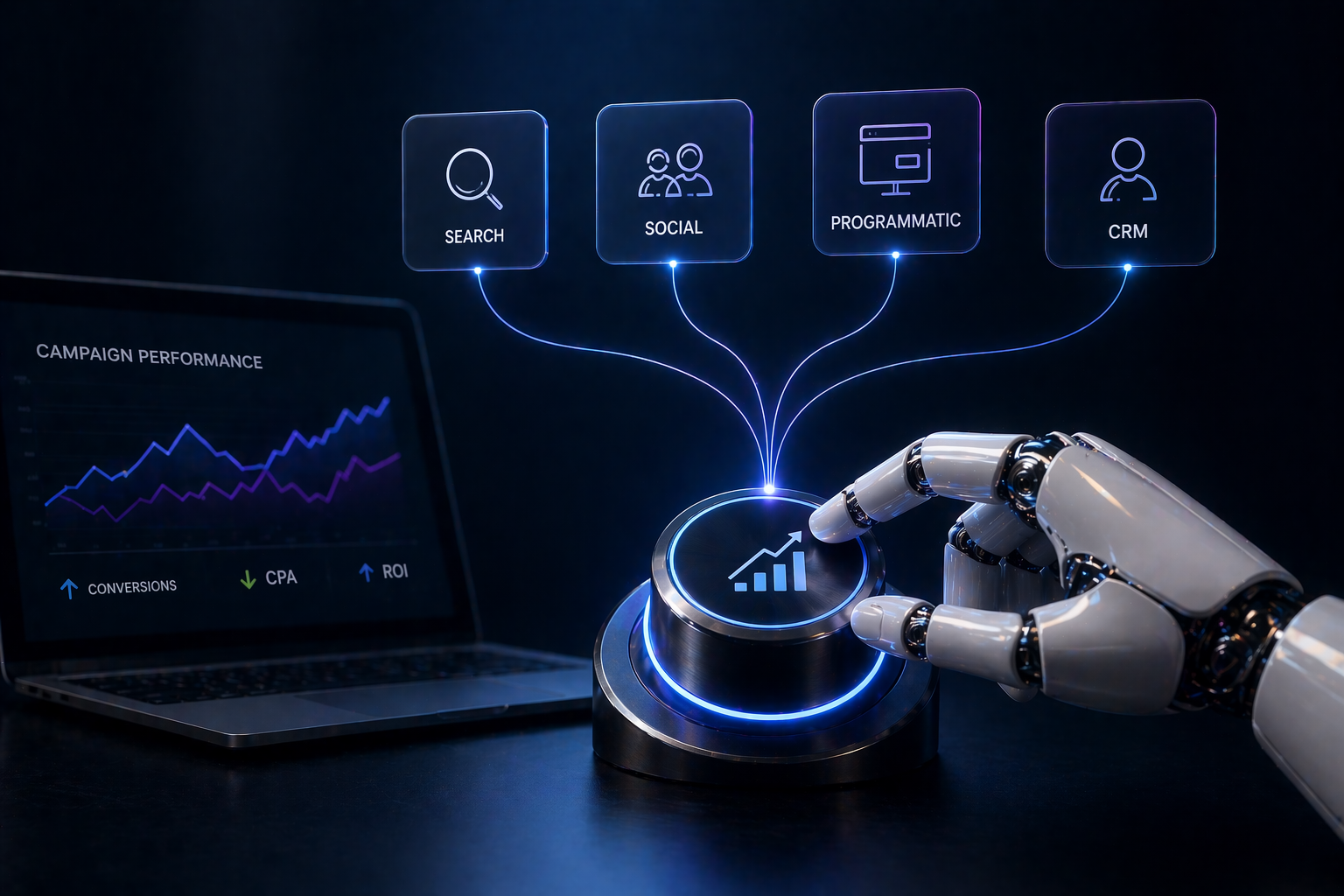
AI agents are now continuously monitoring campaign performance across channels and making adjustments without waiting for manual input. This includes bid changes, audience segmentation, creative swaps, and budget reallocation.
Platforms like Google and Meta have embedded machine learning into their ad ecosystems for years. The shift now is toward multi-platform orchestration. Instead of optimising within a single platform, AI agents sit above the stack and optimise across search, social, programmatic, and CRM channels simultaneously.
Data from industry benchmarks shows that automated campaign optimisation can improve conversion rates by 10 to 30 percent while reducing cost per acquisition by up to 20 percent. In India, large advertisers in sectors like fintech and e-commerce are already relying on algorithmic decisioning for a majority of their paid media budgets.
The implication is clear. Media managers are spending less time on execution and more on strategy, while a significant portion of day-to-day optimisation work is handled by AI.
2. Customer journey orchestration is becoming fully automated
Customer journeys used to be designed manually with predefined flows. AI agents are now dynamically adjusting journeys based on real-time user behaviour.
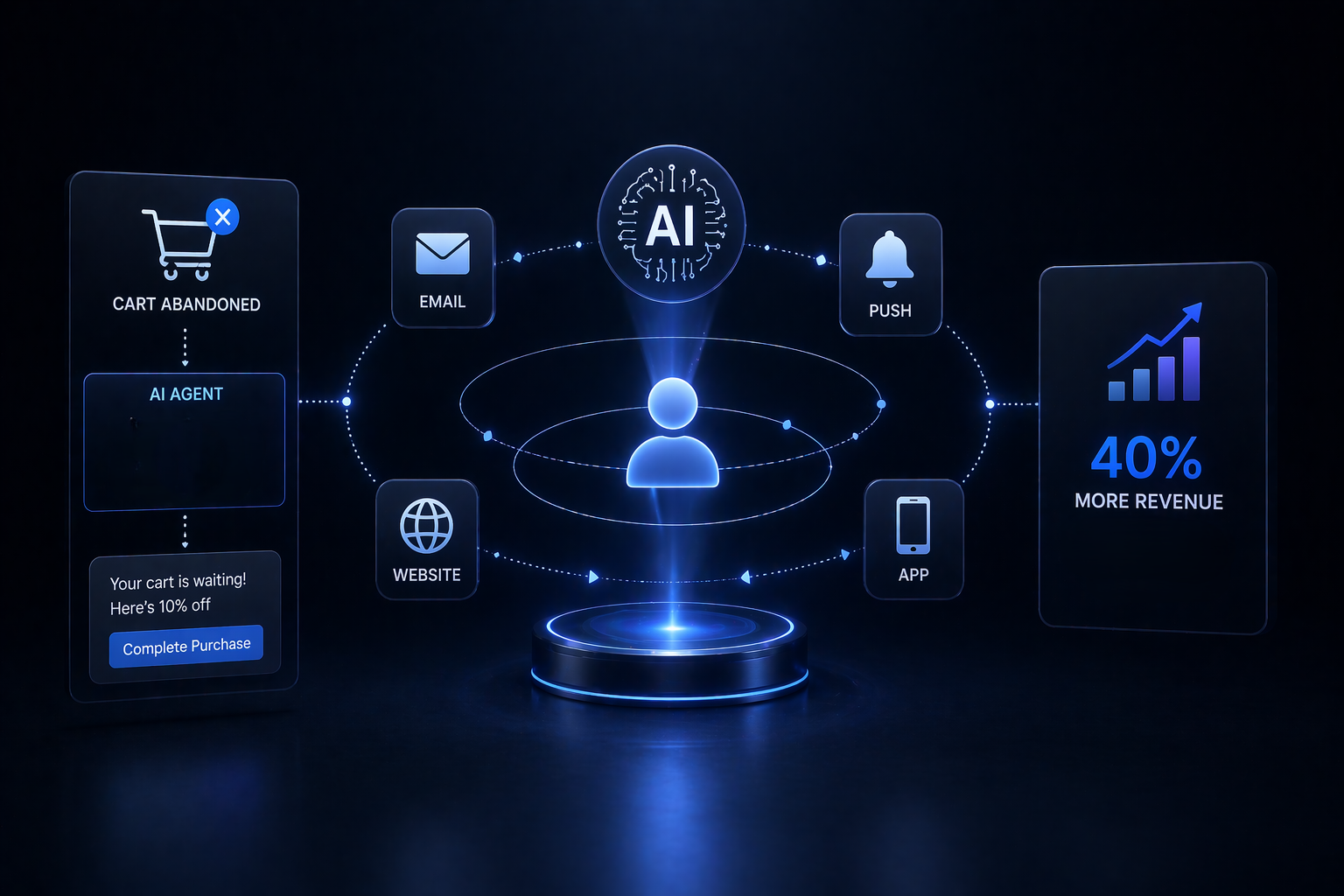
Customer data platforms and journey orchestration tools from companies like Salesforce and Adobe are integrating AI layers that can trigger personalised interactions across email, push notifications, websites, and apps without human intervention.
For example, if a user abandons a cart, the system does not just send a reminder email. It can evaluate the user’s past behaviour, predict intent, decide the optimal channel, and even generate a personalised message in real time.
According to McKinsey, companies that excel at personalisation generate 40 percent more revenue from those activities than average players. AI agents are making this level of personalisation scalable without proportional increases in team size.
3. Content generation and testing is happening at machine speed
Generative AI has already transformed content creation, but AI agents are now closing the loop by testing and iterating content autonomously.
Tools built on models from OpenAI and Google DeepMind are being used to generate multiple versions of ad copy, landing pages, and creatives. AI agents then run continuous A/B and multivariate tests, analyse performance, and deploy winning variants without human approval cycles.
This has significantly reduced campaign turnaround times. What earlier took weeks of planning, creation, and testing can now be executed within hours. Industry estimates suggest that AI-driven content workflows can increase output by 3 to 5 times while reducing production costs by up to 50 percent.
In high-velocity sectors like D2C and gaming, this speed advantage is becoming a competitive differentiator.

4. Lead qualification and nurturing is increasingly agent-led
Sales and marketing alignment has long been a challenge, especially in B2B environments. AI agents are now taking over large parts of lead qualification and nurturing.
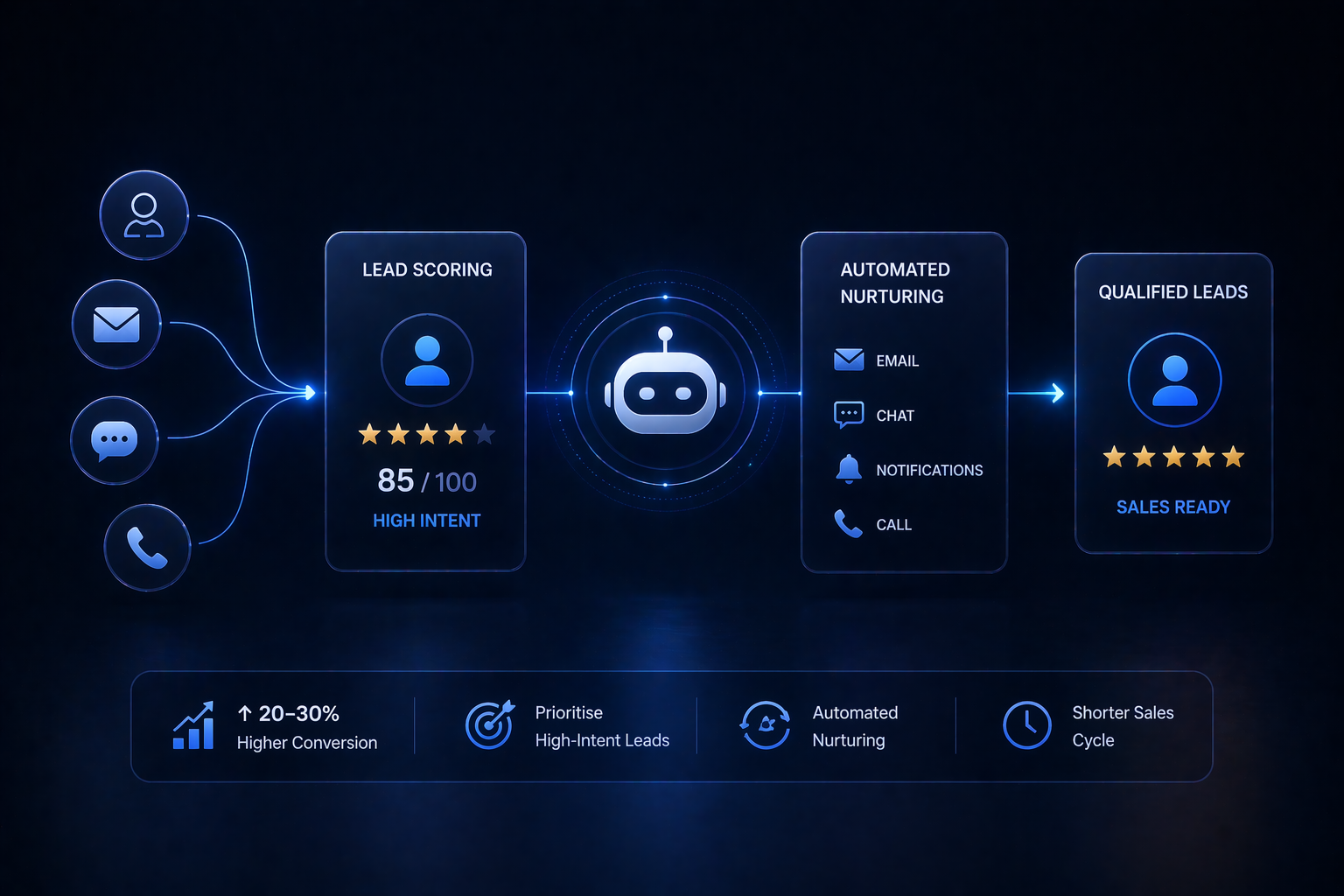
Platforms like HubSpot and Zoho are embedding AI that can score leads based on behavioural signals, demographic data, and engagement patterns. More advanced systems can engage with prospects through chat, email, or voice, answering queries and guiding them through the funnel.
Research indicates that AI-driven lead scoring can improve conversion rates by 20 to 30 percent by prioritising high-intent prospects. At the same time, automated nurturing sequences ensure consistent engagement without manual follow-ups.
For marketing teams, this reduces dependency on large inside sales teams and shortens the sales cycle.
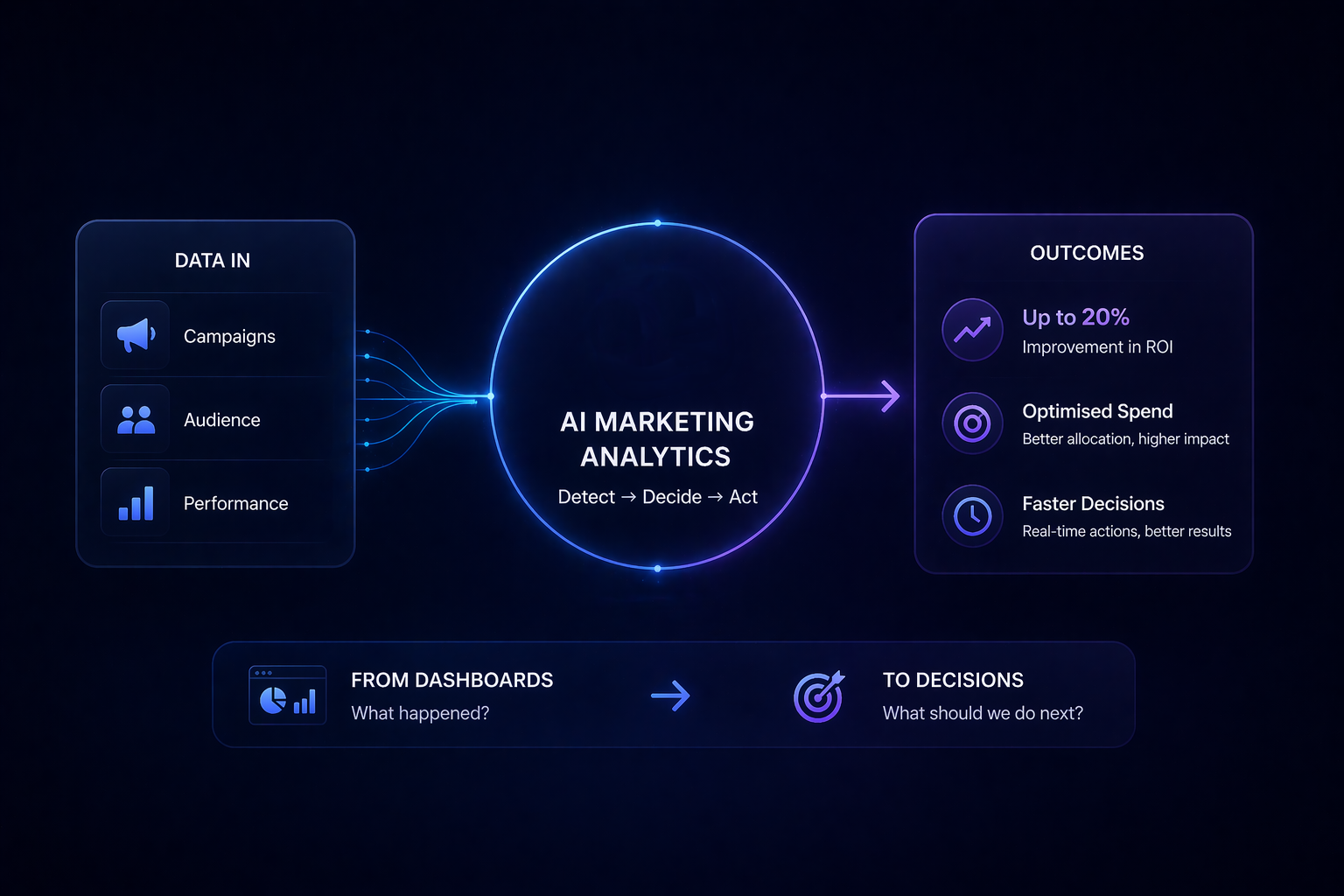
5. Marketing analytics is shifting from dashboards to decisions
Traditional marketing analytics focused on dashboards and reporting. AI agents are now moving the function toward decision-making.
Instead of just showing what happened, these systems recommend and execute actions. For example, if a campaign underperforms, the agent can identify the root cause, suggest changes, and implement them automatically.
Advanced analytics platforms are using predictive and prescriptive models to forecast outcomes and optimise spend allocation. According to Gartner, organisations that adopt AI in marketing analytics can see up to a 20 percent improvement in marketing ROI.
This shift is reducing the need for manual analysis and enabling faster, data-driven decisions at scale.
What this means for marketing teams
AI agents are not eliminating marketing roles overnight, but they are redefining them. Execution-heavy tasks are being automated, while human roles are moving toward strategy, creativity, and governance.
For Indian enterprises, the opportunity is significant. With rising digital adoption and increasing data availability, AI agents can help scale marketing operations without proportional increases in headcount. At the same time, organisations will need to invest in data infrastructure, governance frameworks, and talent capable of managing AI-driven systems.
The transition is already underway. The question is not whether AI agents will become central to marketing operations, but how quickly organisations can adapt to this new model of autonomous marketing.
Disclaimer: All data points and statistics are attributed to published research studies and verified market research.
Related Articles