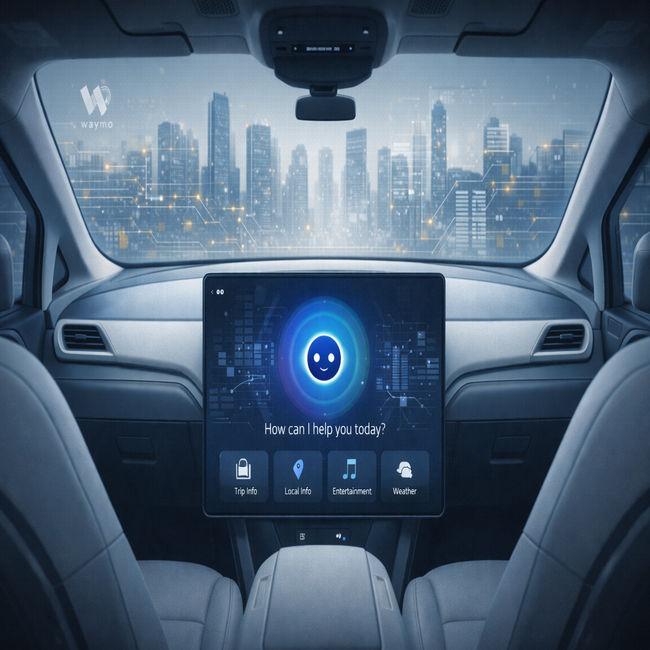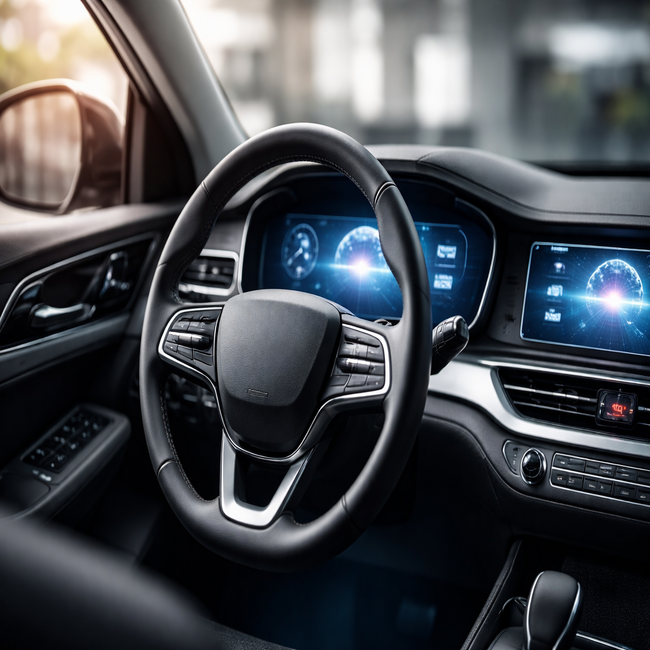

Ford Motor Company has unveiled a new artificial intelligence powered in-car assistant alongside the next generation of its BlueCruise hands-free driving system at CES 2026, signalling a deeper push into software-led vehicle experiences. The announcement reflects Ford’s strategy to integrate AI more tightly into driving, navigation, and vehicle management as competition intensifies around intelligent mobility.
The new AI assistant is designed to act as a conversational interface between the driver and the vehicle, enabling more natural voice-based interactions. According to Ford, the system can understand contextual requests related to navigation, vehicle controls, climate settings, entertainment, and driver information. The assistant is expected to reduce reliance on manual inputs and touchscreens, allowing drivers to interact with vehicle systems through spoken commands.
Alongside the AI assistant, Ford showcased updates to BlueCruise, its advanced driver assistance system that enables hands-free driving on pre-mapped highways. The next-generation version builds on existing capabilities with improved lane centring, smoother transitions, and enhanced situational awareness powered by AI-driven perception and decision-making models.
BlueCruise has been a key part of Ford’s technology roadmap, with the company positioning it as a differentiator in the hands-free driving space. The latest iteration is intended to expand the system’s usability while maintaining a focus on safety and driver confidence. Ford has emphasised that the system remains a driver assistance feature rather than a fully autonomous solution.
The integration of an AI assistant with hands-free driving highlights a broader shift in the automotive industry toward software-defined vehicles. Automakers are increasingly viewing vehicles as digital platforms where intelligence, connectivity, and user experience are as important as mechanical performance.
At CES 2026, Ford framed its announcements around enhancing driver comfort and convenience rather than replacing human control. The AI assistant is designed to support drivers with real-time information, reminders, and proactive suggestions while ensuring that critical driving decisions remain under human supervision.
Industry observers note that voice-based AI interfaces are becoming central to in-car experiences as vehicles incorporate more digital features. Traditional dashboards are giving way to conversational systems that aim to reduce cognitive load and improve accessibility. For automakers, this also opens new opportunities to personalise experiences based on driver preferences and behaviour.
The next-generation BlueCruise system leverages advancements in sensors, cameras, and AI models to interpret road conditions more effectively. By combining data from multiple sources, the system can better anticipate changes in traffic flow, curves, and lane markings. Ford has indicated that these improvements are intended to make hands-free driving feel more natural and predictable.
From a technology perspective, the announcement reflects growing convergence between automotive engineering and artificial intelligence development. Vehicles are increasingly reliant on AI for perception, planning, and interaction, bringing automakers closer to the software and platform strategies traditionally associated with consumer technology companies.
For marketers and brand strategists, developments like these highlight how vehicle technology is becoming part of broader lifestyle and digital narratives. AI-powered features influence not only how vehicles are used but also how brands communicate value around safety, innovation, and convenience.
Ford’s focus on AI assistants also aligns with consumer expectations shaped by smartphones and smart home devices. Drivers increasingly expect vehicles to respond intuitively to voice commands and provide relevant information without extensive setup or learning curves.
The company has not disclosed specific timelines for the rollout of the AI assistant or the updated BlueCruise system across its vehicle lineup. Availability is expected to vary by model and market, reflecting regulatory requirements and infrastructure readiness.
Regulatory considerations remain a key factor in the deployment of hands-free driving technologies. Automakers must navigate differing standards across regions while ensuring transparency around system capabilities and limitations. Ford has reiterated that driver attention remains essential, even when hands-free features are engaged.
The announcement also underscores how CES has evolved into a major platform for automotive technology reveals. As vehicles become increasingly connected and software-driven, automakers are using the event to showcase innovations that extend beyond traditional hardware.
From an industry standpoint, Ford’s updates place it among a growing group of automakers investing heavily in AI-driven mobility. Competition in this space is expected to intensify as manufacturers race to deliver differentiated digital experiences while maintaining safety and reliability.
The integration of AI assistants into vehicles also raises questions around data usage and privacy. As systems learn from driver behaviour and preferences, automakers are under pressure to ensure responsible data practices and clear communication with consumers.
Ford has positioned its AI initiatives as part of a long-term strategy to enhance customer experience and build recurring value through software updates and services. This approach mirrors broader trends in the automotive sector, where ongoing software capabilities are becoming a source of differentiation and revenue.
As hands-free driving and conversational AI continue to mature, their success will depend on real-world performance and user trust. Consumers are likely to judge these systems not only on technical capability but also on reliability and ease of use in everyday driving conditions.
The CES 2026 unveiling marks another step in Ford’s transition toward a more software-centric future. By combining AI-driven assistance with advanced driver support systems, the company is seeking to redefine how drivers interact with their vehicles while keeping safety at the centre of the experience.
Related Articles