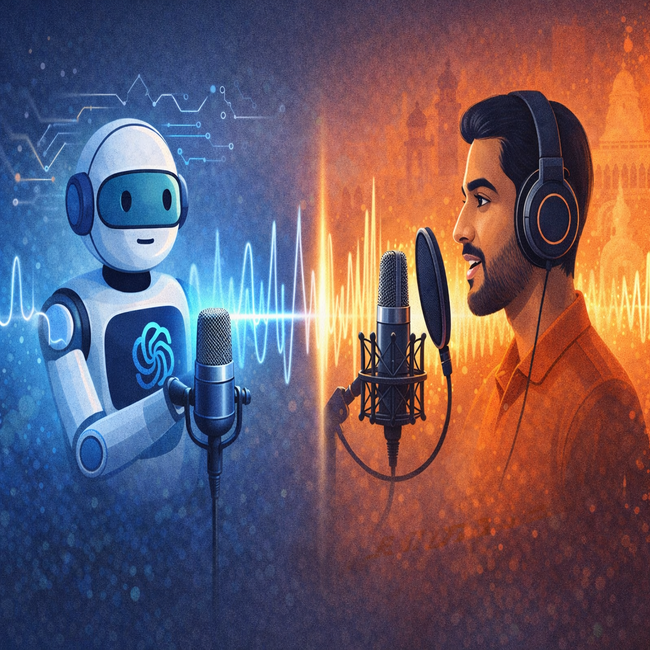
OpenAI chief executive officer Sam Altman has outlined how artificial intelligence systems equipped with memory capabilities could fundamentally change how users interact with AI, enabling more personalised, context aware experiences over time. His comments signal a shift in how AI assistants may evolve, moving beyond one time interactions toward systems that remember preferences, habits and past conversations to deliver more tailored responses.
Altman described AI memory as an important step in making AI more useful in everyday life. Rather than treating each interaction as isolated, future AI systems could retain relevant context across conversations, allowing them to better understand user intent and respond in ways that feel more natural and continuous. This approach, he suggested, could help AI systems act more like long term assistants rather than transactional tools.
The concept of memory in AI refers to the ability of a system to store and recall information from previous interactions. This could include user preferences, recurring tasks, writing styles or frequently referenced topics. By retaining such information, AI systems may be able to reduce repetition, improve efficiency and offer responses that align more closely with individual needs.
Altman emphasised that personalisation driven by memory must be handled carefully. He acknowledged that while memory can enhance usability, it also introduces complex questions around privacy, consent and data control. According to him, users should have clear visibility into what an AI system remembers and retain the ability to manage or delete stored information.
The discussion around AI memory comes as generative AI tools see wider adoption across personal and professional settings. From writing assistance and research to customer support and productivity tools, AI systems are increasingly integrated into daily workflows. As usage deepens, expectations for continuity and personal relevance have grown.
Altman noted that many users already interact with AI repeatedly for similar tasks, such as drafting emails, coding or brainstorming ideas. In these scenarios, memory could allow AI systems to adapt responses based on past interactions, saving time and improving output quality. For example, an AI assistant could learn a user’s preferred tone or formatting style and apply it automatically in future responses.
At the same time, the idea of AI memory raises concerns among privacy advocates and regulators. Storing personal information over time could create risks if data is misused, breached or retained without proper safeguards. Altman acknowledged these challenges and said that any implementation of memory would need to prioritise transparency and user choice.
He suggested that memory features should be opt in rather than default, giving users control over whether and how their data is stored. Clear interfaces that show what information is remembered and tools to edit or erase memory would be essential to building trust. This approach aligns with broader industry efforts to balance innovation with responsible AI practices.
The push toward memory based AI also reflects competition among leading AI developers to differentiate their products. As generative models become more capable, user experience and personalisation are emerging as key areas of focus. Memory could become a defining feature that separates basic AI tools from more advanced assistants.
Altman’s comments also point to a longer term vision where AI systems function as personalised digital companions. Such systems could support learning, creativity and productivity by adapting to individual goals and preferences over time. However, this vision depends on solving technical and ethical challenges related to data storage, bias and security.
From a technical perspective, implementing memory at scale is complex. AI systems must determine which information is relevant to store, how long to retain it and how to ensure accuracy. Incorrect or outdated memories could lead to flawed responses, making reliability a key concern.
Industry experts note that memory in AI does not necessarily mean permanent storage of all interactions. Instead, it could involve selective retention of high value context that improves performance. Designing such systems requires careful balance between usefulness and restraint.
Altman indicated that OpenAI is exploring these ideas thoughtfully rather than rushing deployment. He said that while memory has strong potential, it must be introduced gradually with safeguards in place. This cautious approach reflects increasing scrutiny of AI companies as their products influence more aspects of daily life.
Regulators worldwide are paying closer attention to how AI systems handle personal data. Memory features could attract additional oversight, particularly in regions with strict data protection laws. Companies developing such capabilities will need to ensure compliance with evolving regulatory frameworks.
For businesses, AI memory could unlock new use cases in customer engagement and productivity. Systems that remember past interactions could provide more consistent support, personalise recommendations and improve long term relationships. At the same time, organisations would need to manage data responsibly to avoid reputational and legal risks.
Altman’s remarks suggest that AI development is entering a phase where usability and trust are as important as raw capability. As models grow more powerful, the challenge lies in making them align with human expectations and values.
The conversation around AI memory underscores how generative AI is moving beyond novelty toward sustained utility. Whether memory becomes a standard feature will depend on how effectively developers address concerns around privacy, control and reliability.
As AI continues to integrate into everyday tools, the idea of systems that learn and adapt over time is likely to remain central to innovation debates. Altman’s comments highlight both the promise and the responsibility that comes with building more personalised AI experiences.
Related Articles