
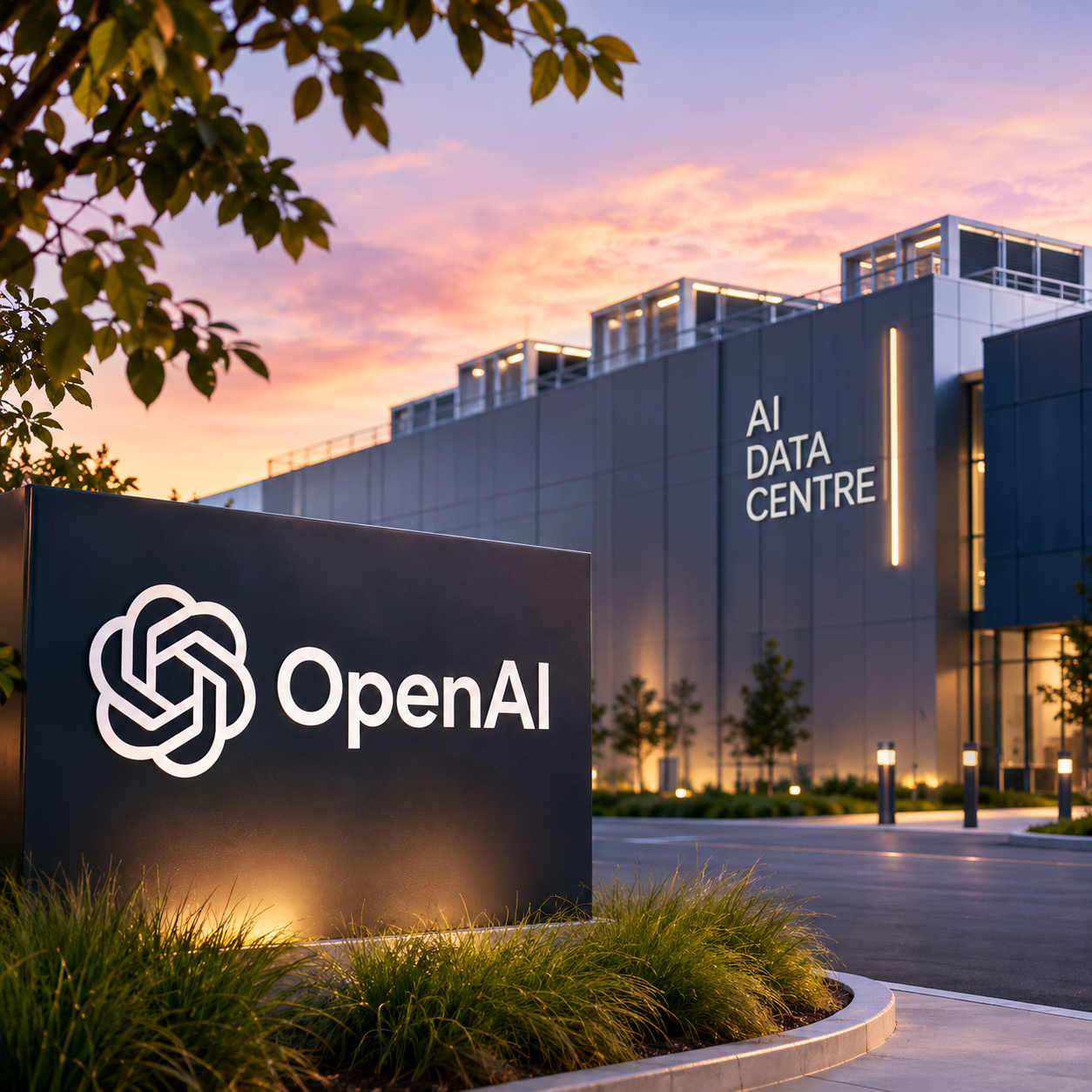

OpenAI has introduced a new public outreach strategy for its artificial intelligence data centre projects in the United States, as opposition from local communities raises concerns over the expansion of large-scale computing infrastructure.
The company announced measures aimed at increasing transparency in project planning, improving communication with residents and highlighting the economic benefits of data centre development.
A key change involves OpenAI's decision to stop using non-disclosure agreements (NDAs) with public officials during discussions over potential data centre locations. However, the company said commercially sensitive and proprietary information would continue to receive confidentiality protection.
OpenAI also plans to provide communities with greater access to construction plans and information about how proposed facilities could affect surrounding areas.
The disclosures will cover potential impacts on traffic, noise and lighting, addressing concerns raised by residents about the effects of large infrastructure projects on their neighbourhoods.
The announcement comes amid growing scrutiny of the AI industry's infrastructure requirements, particularly electricity consumption, environmental impact and the use of local resources.
OpenAI Chief Global Affairs Officer Chris Lehane has highlighted the employment opportunities associated with data centre investments.
According to Lehane, the facilities require hardware upgrades approximately every three to five years, creating a continuing need for technical workers and supporting services.
He said a proposed facility in southern Ohio is expected to generate approximately 2,500 long-term jobs, with average annual salaries of around $80,000.
The company's revised approach follows the US midterm elections, where opposition to data centre development emerged as an issue in several states.
According to Ballotpedia figures cited in media reports, 40 of the 41 data centre-related ballot measures considered during the election week produced outcomes unfavourable to data centre development.
The results have drawn attention to the political and regulatory challenges facing technology companies seeking approval for new computing facilities.
OpenAI President Greg Brockman acknowledged the need for companies developing AI infrastructure to engage more effectively with local communities and communicate the potential economic contributions of their projects.
The developments come as technology companies continue to invest in computing capacity to support the training and operation of increasingly advanced AI models.
Large-scale AI data centres require substantial electricity supplies, cooling infrastructure and supporting facilities, making their development dependent on local planning decisions, utility arrangements and regulatory approvals.
Community concerns over energy costs, water consumption, construction activity and environmental effects have become part of discussions surrounding new projects.
OpenAI's latest measures seek to address some of these concerns through additional disclosures and greater engagement during the planning process.
The company has not indicated whether the revised approach will change its overall infrastructure investment plans or construction timelines.
The effectiveness of the strategy will depend on how the proposed measures are implemented and received by communities considering future data centre developments.
Disclaimer: This article may include information derived from interviews, press releases, public statements, research, company communications and other publicly available or third-party sources. Such material may be summarised, paraphrased or contextualised for journalistic and editorial purposes. All rights in third-party content remain with their respective owners.