
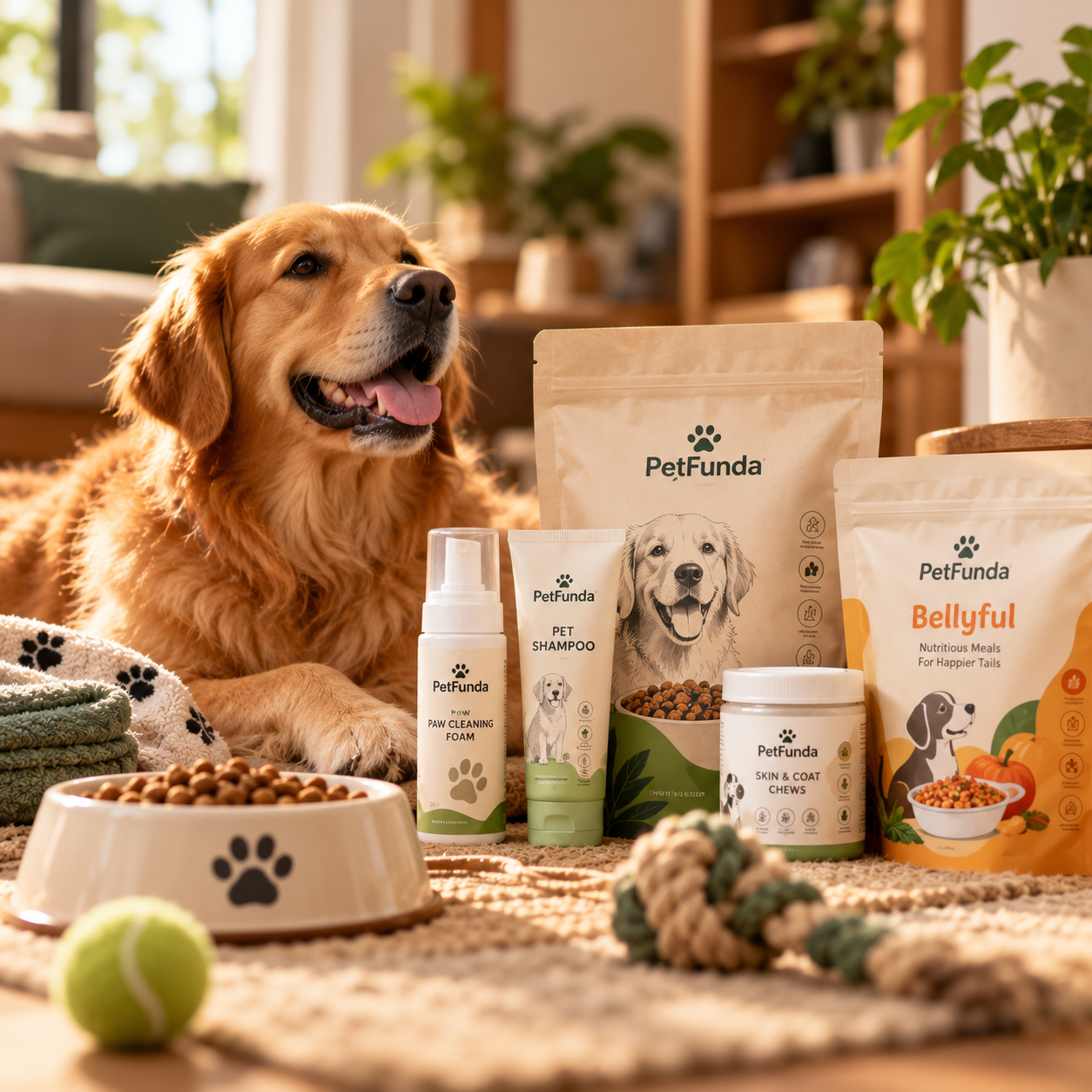

Pet-care brands design for two customers with different needs. Anant Garg, Product and Design Head at PetFunda, explains the everyday considerations behind products that must earn a parent’s confidence while serving the pet experiencing them.
Before buying something for themselves, customers can usually imagine how they will judge it. A shoe should feel comfortable. A meal should taste good. A shampoo should suit their hair. However, buying for a pet involves a different kind of decision. A human can read the ingredients, examine the packaging and compare the options. But they cannot experience the product as their pet will. One’s pet, meanwhile, encounters the taste, texture, smell or sensation without understanding the promises that helped sell it.
Between them, a brand has two customers and a design challenge that extends well beyond an attractive pack. For Anant Garg, Product and Design Head at PetFunda, understanding these dual customers is central to developing the brand’s care products and the Bellyful food range. The pet parent needs clarity, convenience and confidence. The pet’s needs must inform the product itself.
The challenge becomes clearest in the ordinary moments of caring which also includes serving a meal, cleaning muddy paws or trying to complete a grooming routine with an animal that has other plans. These moments are where product design becomes customer experience.
After the walk, the real test begins
A walk can end at the front door. The work it brings home often continues.
There are paws to clean, a towel to find and a dog unlikely to appreciate why the floor needs protecting. The person doing the cleaning may be holding the animal with one hand while trying to manage the product with the other. In that situation, usefulness becomes immediate. How comfortably can the pack be held? How easily can the product be applied? Does the process require more steps than the person can comfortably manage?
Anant Garg’s interest in these routines developed through observing pet care while studying in Spain and, later, watching his sisters care for adopted Indie dogs in India. Feeding, grooming and cleaning presented recurring practical questions, accompanied by the responsibility of choosing well for an animal. He described a foam-brush format intended to make paw cleaning more manageable. The example illustrates how a familiar household task can become a product-design brief.
The customer is buying something to use within an existing situation. A design that looks straightforward on a shelf must remain manageable when the pet is moving and the parent’s attention is divided.
For brands, this gives convenience a concrete meaning. It can be found in the grip of a container, the handling of an applicator and the clarity of the next step.
Ease of use, however, is one part of the experience. Suitability and effectiveness need their own evidence. A well-designed customer experience helps people understand both what a product does and how to use it appropriately.
The most important question may come before the first use
When Garg began sharing products within his community, customers repeatedly asked a short question. ‘Are they safe?’ The question persisted even after discussions about product features. It revealed what buyers needed before they could feel comfortable moving forward.
A pet parent is making a decision on another living being’s behalf. An appealing format may attract attention, but the buyer still needs to understand whether the product is appropriate for their pet. That makes information a central part of design.
What is the product intended for? How should it be used? What does the customer need to know before introducing it into a routine? The answers influence the experience before a container is opened. He also described using different visual approaches for the care range and Bellyful food, reflecting what he calls a ‘different purchase mindset’. A white-and-green palette for care was intended to convey calmness and cleanliness, while warmer colours for food were intended to create an appetite-led identity.
Those choices can help customers recognise the range and form an initial impression. The accompanying information must then help them assess the product. For pet-care brands, reassurance carries a particular responsibility. A visual impression of gentleness or cleanliness needs support from clear, substantiated information. Customers need reasons for confidence that they can understand.
The packaging element
Packaging is often discussed at the point of purchase: whether it stands out, communicates the brand or encourages someone to pick it up. Its next job begins at home. A food pack must be stored, opened and emptied. The person serving it may be in a hurry. They may have preferences about touching its contents. They need to understand how much to serve and how the product fits into their pet’s existing diet.
He emphasized on a packaging format that intended to let customers open a portion and serve it into a bowl with limited direct handling. He connects the decision partly to the comfort of the person preparing the meal. It is a minor detail with a broader customer experience implication: willingness to buy a product does not automatically mean comfort with every step involved in using it.
Understanding the serving routine gives designers more useful questions. Where will the person hold the pack? What will they need to touch? Can they follow the instructions while preparing the food? Garg also says the packaging includes feeding information, calorie details and a diet-transition guide. Such guidance can help customers understand how to introduce a purchase into everyday care. Here, design includes the order in which information appears, how easily it can be found and whether it remains useful at the moment of serving.
A pack continues communicating long after the sale. Each time a customer reaches for it, it can either answer a question or leave one unresolved.
Listening to the person interpreting the pet
Pet-care feedback has an unusual structure. The person speaking to the brand is often describing two experiences - their own use of the product and their observation of the animal’s response. They can explain whether a pack was awkward to open or an instruction was confusing. They can also describe what happened during feeding or grooming. But they are interpreting the experience of a customer who cannot explain it in words.
Garg’s early feedback process began with his sisters and their friends before extending into wider pet communities. These conversations exposed him to different households and routines. “So, first, we focused on the quality of the product,” he says, describing packaging as a subsequent area of attention.
Both influence the eventual relationship with the customer. The product needs to serve its purpose, and its presentation needs to help the buyer understand the offering. Community conversations can reveal where the two fail to connect. A recurring question may indicate missing information. An awkward step may suggest a format needs reconsideration. An explanation that seems obvious to a product team may be less clear to someone encountering the pack for the first time. These observations provide insight into use; they do not, by themselves, establish safety or performance. Their value lies in helping brands identify specific improvements while supporting product claims with appropriate evidence.
For a designer serving dual customers, listening requires care: understanding what the parent needs and what their observations reveal about the pet’s experience.
Loyalty begins with whether it belongs in the routine
The first purchase asks a customer to take a chance. The next asks them to return with the benefit of experience.
By then, the pack has been opened. The instructions have been followed. The product has met the household’s routine.
The customer has more to consider than the impression that encouraged the original purchase. Was it manageable to use? Did the information answer their questions? How did their pet respond? Did the experience match their expectations?
These are the everyday conditions in which loyalty can develop. Garg’s account does not establish repeat-purchase results. It does illustrate the design decisions intended to help a product earn an ongoing place in care.
That place can be emotionally significant. A pet parent may return to something familiar because it has become part of a routine they feel comfortable carrying out. Consistency, clear guidance and dependable service can give them reasons to keep choosing.
The pet parent may be the customer whose name appears on the order. But the experience belongs to both. When it is time to buy again, has the brand given that parent enough reason to feel they chose well, for themselves and for the pet depending on them?
Disclaimer: This article may include information derived from interviews, press releases, public statements, research, company communications and other publicly available or third-party sources. Such material may be summarised, paraphrased or contextualised for journalistic and editorial purposes. All rights in third-party content remain with their respective owners.
Related Articles