
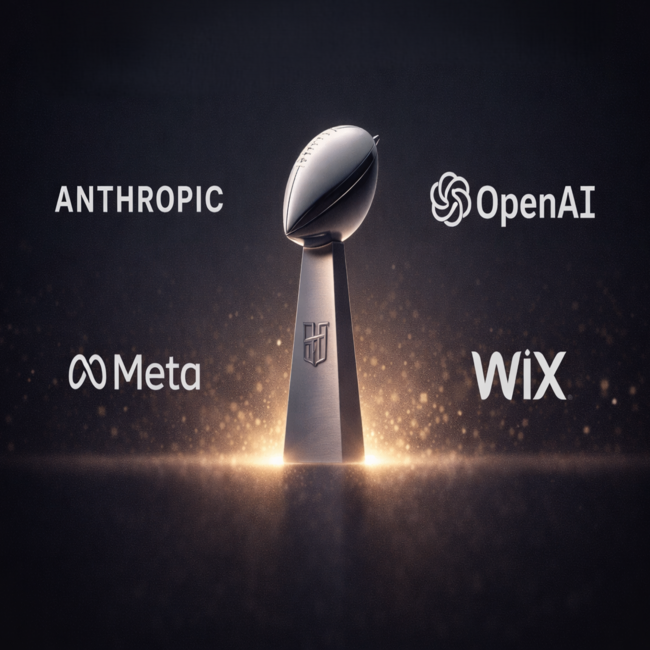

Super Bowl 2026 is shaping up to be a major showcase for the growing presence of artificial intelligence in mainstream advertising as major AI companies and technology brands prepare high-profile commercial placements during the game. With advertisers paying premium rates for airtime, the event is once again proving to be a strategic platform for companies looking to capture mass attention for their products and services.
This year’s Super Bowl advertisements include a notable emphasis on AI-related themes and technology offerings, reflecting broader industry focus on generative artificial intelligence and the way it is penetrating everyday consumer awareness. AI brands such as Anthropic, OpenAI, and other technology companies are leveraging the spectacle of Super Bowl advertising to position their tools and platforms at scale ahead of a broad television and streaming audience.
Anthropic, the artificial intelligence firm behind the Claude chatbot, is making its debut in Super Bowl advertising with a commercial that underscores its positioning in the competitive AI landscape. The spot highlights Anthropic’s commitment to keeping its AI product free of disruptive advertising within the user experience, setting it apart from rival approaches. In its commercial, aired during the game, Anthropic dramatizes a scenario where an AI interaction is interrupted by an irrelevant ad, using the tagline that elaborates on the difference between its product and competitors in a playful manner.
Anthropic’s campaign not only represents the company’s first Super Bowl commercial but also signals the intensifying rivalry in the AI space. The advertising message implicitly contrasts the company’s stance on AI monetisation with that of others in the field. According to reporting on the ad and reactions from industry executives, the spot does not specifically name competitors but is widely interpreted as a direct jab at rival models that are introducing advertising into their services.
OpenAI, another major player in the AI market, is also participating in the big game’s advertising lineup. The company is expected to air a 60-second commercial, marking its second consecutive year of buying a Super Bowl ad slot. Its approach in previous advertising has focused on positioning its chatbot technology as an everyday tool and emphasising accessibility and utility, hoping to reach a wider consumer base. This year’s ad is anticipated to continue that theme, reflecting competitive pressures and the need to build trust and visibility as more AI models enter the mainstream.
The dialogue around AI advertising during the Super Bowl has also spilled over into public discussion among industry leaders. OpenAI’s CEO has responded publicly to the tone of competitor ads, describing some of the messaging as “clearly dishonest” while acknowledging the humour. This exchange highlights how AI brand competition is increasingly played out not just in product features but also through high-impact mainstream media channels and public commentary.
Super Bowl 2026 also features other technology brands that are incorporating AI into their advertising strategies. Reports indicate that companies such as Google and Meta are promoting products that leverage AI capabilities, signalling that utilities such as AI-enabled devices or platforms are becoming central to broader consumer tech narratives. These placements align with a year of increased advertising expenditure in the tech sector, particularly around AI messaging, as companies seek to strengthen their brands in a rapidly evolving market.
In addition to dedicated AI brand commercials, a broader trend in advertising this year includes the use of AI-assisted creative production for commercials themselves. Some brands have experimented with AI technology in the creation of their Super Bowl content, blending automated creative tools with traditional production to deliver ads that resonate with audiences familiar with digital innovation. Experts tracking the trend suggest that the percentage of Super Bowl ads generated or assisted by AI could be significant, reflecting how deeply the technology is now integrated into media production processes.
The Super Bowl remains one of the most watched television events in the United States, and advertisers continue to pay record-breaking prices for commercial slots seen by millions of viewers. As a result, brands are using the platform not only to promote products but also to frame broader narratives about technology, cultural relevance and consumer engagement. For AI companies, this strategy provides an opportunity to shape perceptions of what artificial intelligence can contribute to daily life.
The presence of multiple AI brands during Super Bowl 2026 also reflects broader shifts in how technology companies approach brand building. As AI moves from a niche developer audience to mainstream consumer usage, companies are investing heavily in creative marketing to differentiate their offerings. This competition extends beyond traditional marketing channels into high-visibility events that attract both technology enthusiasts and general audiences.
Reactions to AI-themed advertising have been mixed. Some viewers welcome the integration of cutting-edge technology into entertainment narratives, while others express caution about the rapid commercialisation of AI tools. Questions around how AI is portrayed in mass media, and whether such ads accurately reflect the capabilities and limitations of technology, are part of ongoing discussions fueled by both critics and proponents of the technology.
Super Bowl LX also features a wide range of traditional and non-AI advertising categories, from consumer goods to entertainment, highlighting that even as AI takes a more prominent role, the game’s commercials remain a diverse showcase of brand storytelling. Celebrities, cultural references and humour remain central elements in many spots, illustrating how advertisers blend innovation with familiar entertainment techniques to resonate with wide audiences.
As AI brands like Anthropic and OpenAI vie for visibility during Super Bowl 2026, the broader pattern suggests that the technology is becoming deeply embedded in advertising strategy. Whether this trend continues to grow in future years will depend on how audiences respond to AI messaging and how effectively companies can translate attention into adoption. For now, advertisers are seizing one of the biggest media stages available to shape the narrative around artificial intelligence in popular culture.