For most of the internet era, a brand website sat at the center of the customer journey. It was the official address for product discovery, storytelling, credibility, and checkout. That role has not disappeared, but it has shifted. Across categories, many consumers now meet a brand, evaluate it, and even buy it without ever visiting the brand’s own site.
In India, the change is easier to spot because mobile use is dominant and platform habits are deep. Discovery happens on social feeds and creator videos. Validation happens in reviews, comments, and community chats. Transaction happens where the payment and delivery feel safest. The website often shows up later, as a reference point or a loyalty destination, not the starting line.
The most useful way to understand this shift is to follow the consumer journey as it actually plays out today.
A shopper scrolling Instagram sees a creator talk about a sunscreen, a pressure cooker, or a new snack brand. The next action is rarely “go to the brand website.” More often it is “search it on Amazon,” “open Flipkart,” “check the ratings,” or “ask someone on WhatsApp.” The same pattern shows up in travel bookings, food delivery, and even services. Consumers move through platforms that already have their attention, their payment method, and their trust.
This shift is reflected in recent data. In India, marketplace order volumes grew over 30 percent year on year in FY23, while brand websites grew in the mid twenties. In categories such as beauty and personal care, marketplace growth far outpaced brand-owned sites. Electronics showed a more balanced picture, with brand websites performing better where consumers sought warranties, configuration, or direct assurance. The takeaway is not that websites are failing, but that their role depends heavily on category and context.
Search behavior also explains why websites are no longer the default destination. By 2024, close to 60 percent of Google searches globally were ending without a click to an external site. Consumers increasingly get summaries, comparisons, and answers directly within search results or app interfaces, then move to a marketplace or app to complete the action. For brands, this means that owning a website no longer guarantees visibility or traffic.
Amandeep Singh, Head of Commercial Growth and Customer Experience at VMLY and R, says social commerce has grown because it mirrors how people already behave online. Consumers do not want to move across multiple destinations to complete a purchase. Platforms that combine discovery, trust, and transaction in one environment naturally win attention.
India’s mobile-first ecosystem accelerates this shift. With hundreds of millions of smartphone users and deep comfort with in-app payments, platforms now function as full-funnel environments. From inspiration to checkout, everything can happen without leaving an app.
Marketplaces have become central to this new journey. Platforms such as Amazon, Flipkart, Myntra, and Meesho aggregate brands, enable comparison, surface reviews, and handle logistics. For many consumers, this feels safer and more efficient than navigating individual brand sites.
Bhavin Devpuria, Marketing Head for Triumph International in India and Sri Lanka, notes that while brand websites serve loyal customers well, discovery increasingly happens on third-party platforms. As access widens beyond metros, familiarity and convenience drive shoppers toward platforms they already trust.
This pattern is especially visible among newer brands. Puneet Bajaj, Founder and CEO of fashion brand Bene Kleed, says marketplaces offer an efficient entry point. They allow brands to test demand and reach scale without the heavy cost of driving traffic to a standalone site. In the early stages, brand websites rarely match marketplace reach.
Trust plays a major role in this shift. Consumers place greater faith in peer reviews, creator content, and community conversations than in brand-authored messaging. Many approach official websites assuming the content is promotional. As a result, validation now happens elsewhere. Shoppers read reviews, watch unboxings, scroll comments, and ask communities before they believe a brand claim.
Sandeep Jangala, Founder and CEO of D2C food brand Yummy Bee, observes that even when prices are the same across channels, consumers often choose marketplaces. Convenience, easy returns, and platform trust frequently outweigh the benefits of buying direct. Brands are forced to compete on experience and value, not just availability.
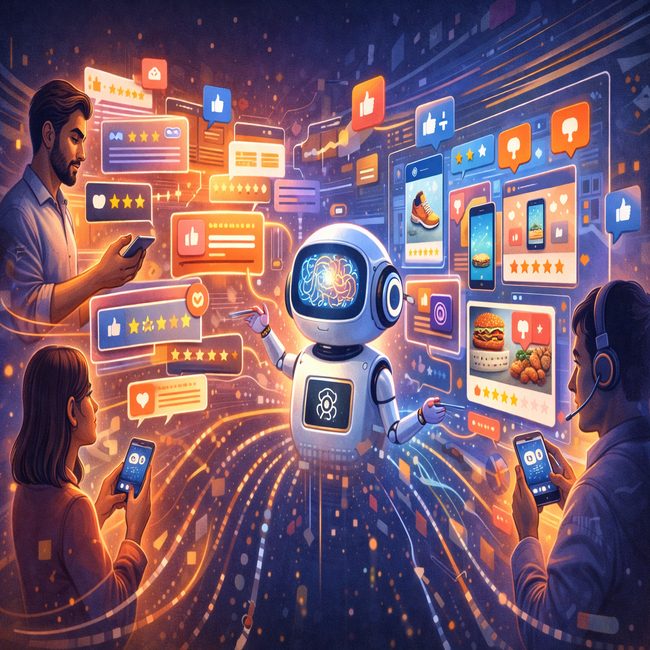
Technology is reinforcing this behavior. AI-powered search and conversational tools increasingly deliver product summaries, comparisons, and recommendations without requiring a website visit. Information that once lived on brand pages is now distributed across algorithms, platforms, and assistants.
Prativa Mohapatra, Vice President and Managing Director at Adobe India, has spoken about the need for brands to focus on trust and consistency across ecosystems. Control over brand narrative no longer sits in one owned destination. It is spread across many surfaces where consumers form opinions.
Despite this, brand websites still matter. They remain critical for credibility, detailed information, compliance, and deeper engagement. Websites host loyalty programs, exclusive content, customer support, and brand storytelling that platforms cannot fully replicate.
What has changed is their position in the journey. Websites now support decisions rather than initiate them. They act as anchors rather than gateways.
The most effective strategies today are ecosystem-driven. Brands appear consistently across social feeds, marketplaces, messaging apps, and search environments. Discovery happens on one platform. Validation happens on another. Conversion happens wherever it is easiest.
S Narasimhan, Executive Vice President and Chief Digital Officer at RK Swamy, has emphasized that simplicity and focus matter more than ownership. Brands must decide where their website genuinely adds value and where platforms do the job better.
Younger consumers, in particular, are less inclined to seek out official brand destinations. They expect brands to be present in feeds, conversations, and communities. Compared to platform-native interactions, websites can feel formal and distant.
This does not signal the end of brand websites. It signals a redefinition.
Websites are no longer the center of gravity. They are part of a wider constellation of touchpoints shaped by platforms, algorithms, and communities. Brands that succeed will be those that stop treating the website as the sole destination and start treating it as supporting infrastructure.
Brand websites are becoming secondary not because they lack importance, but because consumer behavior has changed. In today’s digital landscape, visibility, relevance, and trust are built where consumers already are.
Disclaimer: All data points and statistics are attributed to published research studies and verified market research. All quotes are either sourced directly or attributed to public statements.
Related Articles