

Indian Railways is planning to expand the use of artificial intelligence (AI) and digital monitoring systems across freight wagon operations to improve safety, identify mechanical defects and strengthen maintenance efficiency.
The initiative includes AI-powered defect detection, predictive maintenance technologies and real-time sensor monitoring to identify potential equipment failures before they disrupt railway operations.
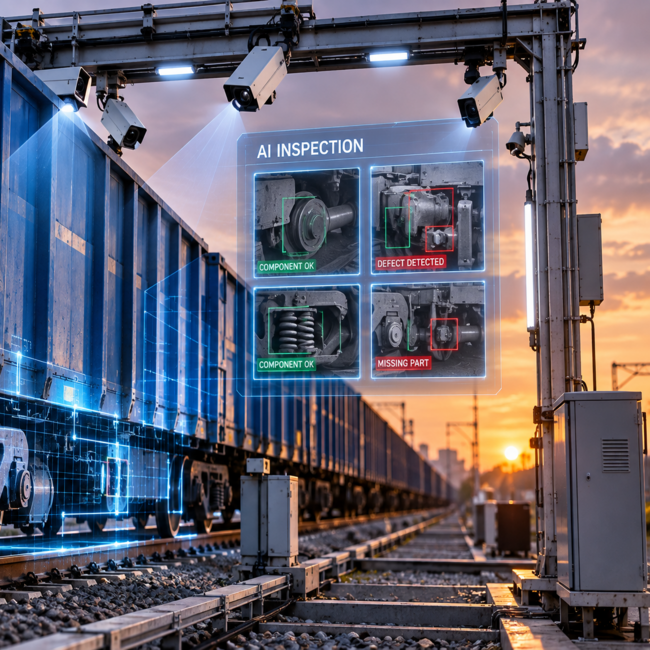
According to a report by Metro Rail News, Indian Railways is preparing to conduct field trials of an AI-based inspection system across selected locations. The technology will analyse images of moving freight wagons to detect damaged, missing or loosely hanging components that could pose operational risks.
The system is expected to support existing inspection procedures by enabling railway personnel to identify irregularities while trains remain in motion.
Railway officials have indicated that the measures are intended to improve wagon reliability, maintenance standards and freight movement speeds.
The proposed changes also include the wider adoption of predictive maintenance, which uses information collected from sensors and inspections to identify emerging mechanical problems.
By monitoring parameters such as temperature, impact, load and component wear, the technology can help maintenance teams identify abnormal patterns and prioritise inspections before equipment failures occur.
Indian Railways has already deployed machine-vision technology on dedicated freight corridors to inspect wagon undercarriages. The system uses line-scan and area-scan cameras to capture images of moving wagons and identify possible defects.
According to figures cited in the report, the technology has generated 5,248 confirmed alerts from inspections covering 115,654 wagons.
The railway network is also using a map-based monitoring application called Rake Lens to track freight rakes approaching scheduled maintenance or overhaul requirements.
The platform provides railway examiners with a consolidated view of rake locations, maintenance schedules, alerts and operational irregularities, supporting decisions related to inspection and servicing.
Alongside these technology upgrades, Indian Railways is planning a dedicated freight grievance platform called Madad to streamline complaints from freight customers and organisations involved in loading and unloading activities.
The proposed portal will connect customer complaints with maintenance processes, allowing railway authorities to review operational concerns and initiate corrective measures.
Other planned developments include electronic brake power certificates, refrigerated-container wagons and a universal wagon design for transporting steel products.
These initiatives form part of efforts to modernise freight operations through automation, digital monitoring and improved coordination between railway departments and freight customers.
The planned AI trials and existing inspection systems indicate a broader move towards data-driven railway maintenance, with an emphasis on detecting faults earlier and reducing operational disruptions.
The report did not specify a nationwide implementation timeline or the total investment allocated to the proposed AI inspection programme.
Disclaimer: This article may include information derived from interviews, press releases, public statements, research, company communications and other publicly available or third-party sources. Such material may be summarised, paraphrased or contextualised for journalistic and editorial purposes. All rights in third-party content remain with their respective owners.